CredimAsbestos removal & demolition
Services

Our specialities

  • Asbestos pipe insulationWhite plaster around your heating pipes
  • Asbestos vinyl floor & black glueVinyl, tiles and bitumen glue
  • Asbestos plasterPlaster on walls and ceilings
  • Asbestos roof & sheetsEternit, slates and underroof
  • What does asbestos removal cost?

More applications

  • Asbestos corrugated sheets
  • Asbestos panels
  • Asbestos flue & chimney
  • Asbestos facade
  • Asbestos underroof

Who we help

  • For homeownersRenovation or sale
  • For professionalsContractors, syndics, industry
  • Demolition works
  • Certified asbestos remover
Techniques

The three legal techniques

  • Hermetic zoneNegative pressure for damaged asbestos
  • GlovebagOnly for pipes in the open air
  • Simple handlingBonded material, low risk
  • Which technique do I need?
Info & advice

Know what's in your home

  • Recognising asbestos
  • Asbestos testing
  • Is asbestos dangerous?
  • Asbestos information

Certificate & regulations

  • Asbestos certificate (sale)
  • Certificate for common areas
  • Asbestos inventory
  • Demolition notification

Costs, grants & disposal

  • What does asbestos removal cost?
  • Grants in Flanders
  • Can I remove asbestos myself?
  • Asbestos disposal
  • Asbestos container hire

About Credim

  • About CredimCertified team from Stabroek
  • ProjectsOur work in pictures
  • ContactCall or email us
info@credim.be09 396 64 56Free site visit
CredimAsbestos removal & demolition

Certified asbestos remover for the whole of Flanders. Safe, discreet and following the legal techniques, for homeowners and professionals alike.

  • Conservenweg 6C, 2940 Stabroek
  • 09 396 64 56
  • info@credim.be

Asbestos removal

  • Asbestos pipe insulation
  • Asbestos vinyl floor
  • Asbestos plaster
  • Asbestos roof & sheets
  • Demolition works
  • For homeowners
  • For professionals

Our techniques

  • Hermetic zone
  • Glovebag
  • Simple handling
  • Which technique?

Info & advice

  • Recognising asbestos
  • Asbestos certificate
  • Asbestos disposal
  • Premie Vlaanderen
  • Asbestos info

Credim

  • About Credim
  • Projects
  • Contact
  • Free site visit

Unsure about asbestos in your home? Request a free site visit.

Free site visit

Service area: all of Flanders

  • Antwerpen
  • Gent
  • Brugge
  • Leuven
  • Mechelen
  • Aalst
  • Sint-Niklaas
  • Kortrijk
  • Hasselt
  • Genk
  • Oostende
  • Roeselare
  • Turnhout
  • Lier
  • Lokeren
  • Dendermonde
  • Beveren
  • Brasschaat
  • Vilvoorde

Information about grants, prices, deadlines and legislation is indicative and may change. Always check the current rules with the competent authorities.

© 2026 Credim BV · BE 0759.644.909

Privacy policyTerms and conditionsWebsite by Varamedia
Get in touch
  1. Credim BV
  2. Advice
  3. Having asbestos tested: this is how you know for sure
Asbestos testing

Having asbestos tested: this is how you know for sure

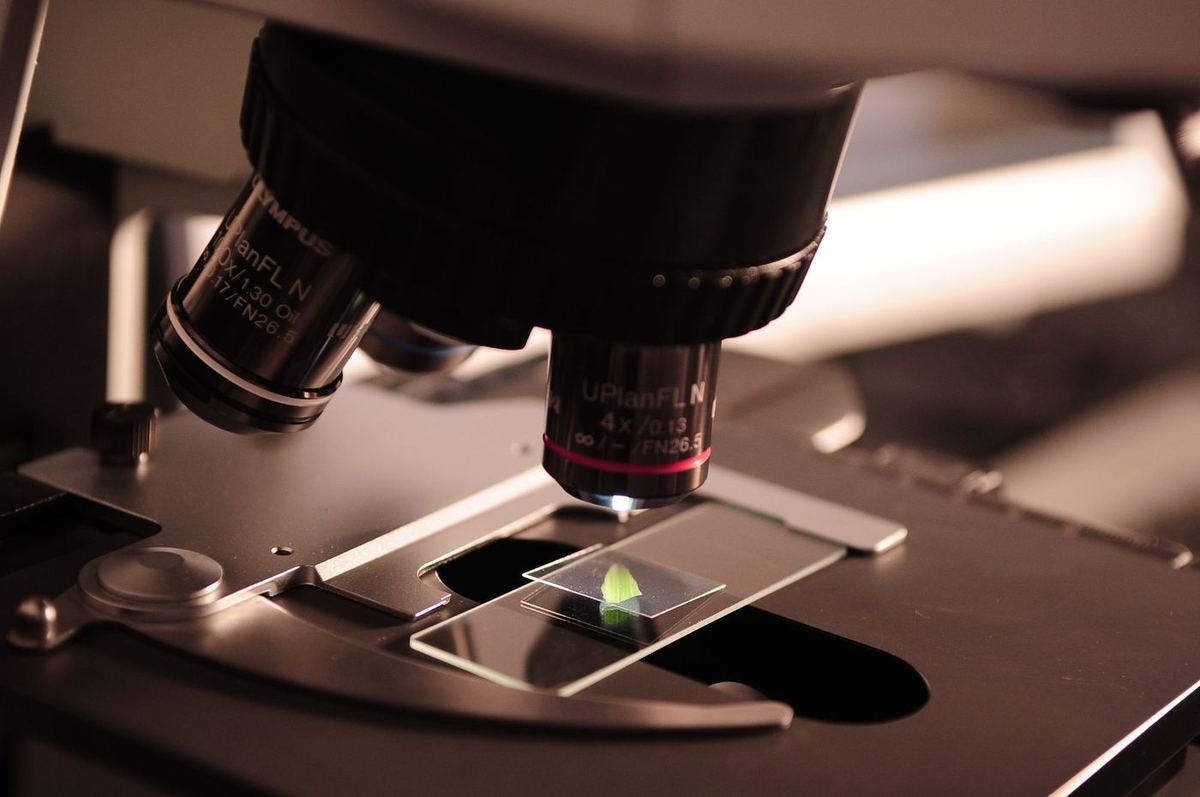
A sample in a certified lab provides certainty, without you having to touch the material yourself.
Free site visitRequest a quote
Microscope objectives above a slide with a sample
On this page
  1. 01Don't scratch or sand it yourself
  2. 02How Credim takes a sample
  3. 03
What if the result is positive?

You often can't tell from the outside. That white, crumbly layer around your heating pipes could be plaster, but it could also be asbestos. The same goes for an old vinyl floor or a corrugated sheet at the back of the garden. With the naked eye, you can't be sure. Even an experienced tradesman can't determine it with 100 percent certainty. Only an analysis in an accredited laboratory can give you a definitive answer.

That's why we work with sampling. A small piece of the suspicious material is analysed in an accredited laboratory. This way, you'll know within a few days whether you're dealing with asbestos. No guesswork, no doubt, but a clear answer.

Don't scratch or sand it yourself

You might want to tap it with a screwdriver or break off a piece to see what it is. Don't do that. With asbestos, fibres are released as soon as you damage, scratch, drill or sand it. Those fibres are dangerous if you inhale them. Especially with pipe insulation from the 1970s, the layer is often brittle and can easily crumble. So leave the material alone until you have certainty.

Do you recognise a suspicious layer around your central heating pipes or an old floor? Then first read how to recognise asbestos-containing pipe insulation. That way, you'll know what to look out for without touching anything.
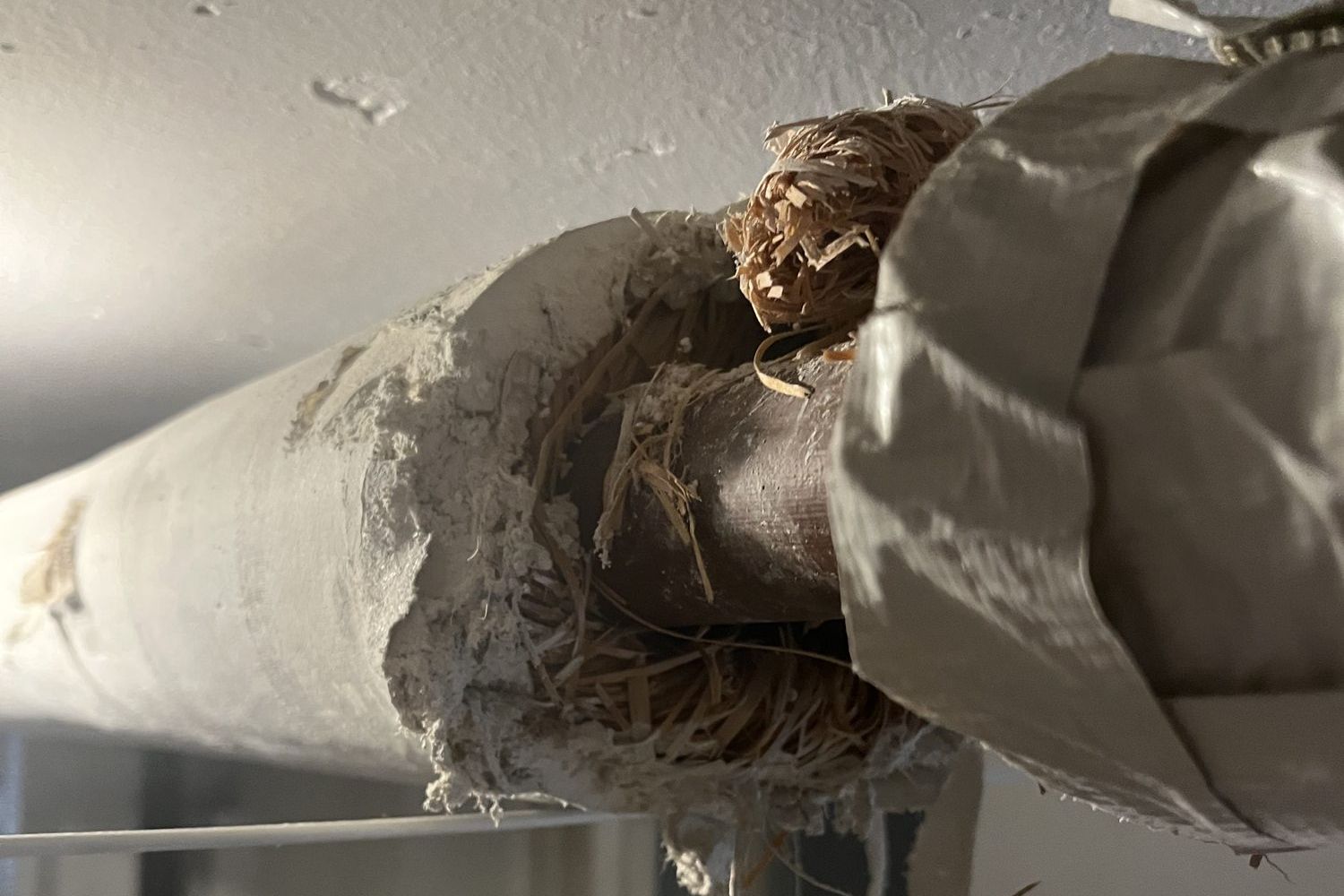
Close-up of damaged pipe insulation with the fibrous material exposed
Photo: Credim

How Credim takes a sample

Our people are certified and know exactly how to take a sample. We do this according to a fixed procedure. First, the material is lightly dampened to limit dust. Then we use the right tools to remove a small piece and immediately seal it in an airtight container. The container goes to an accredited laboratory, and you receive the result.

This sampling is free of charge. You can easily request it via our page about the free sampling. We'll come by at a time that suits you, even for a one-off check. You don't need to prepare anything. We'll take care of the container, the gloves and the rest.

Do you already have an asbestos certificate or an inventory showing that asbestos is present? Then sampling is no longer necessary. In that case, we can proceed directly to removing the asbestos in accordance with legal regulations.

What if the result is positive?

Suppose the laboratory finds asbestos. Don't panic. A positive result doesn't mean your home is unsafe. As long as the material remains intact and you don't touch it, the risk remains limited. You can then calmly consider what you want to do. Sometimes the material is in good condition and you can leave it in place. In other cases, for example during a renovation or if the condition is poor, it's best to have it removed.

We're happy to help you with that. As a certified asbestos removal company, we carry out the removal using the right technique, whether it involves a hermetic zone, a glove bag or a simple operation.

Are you still unsure whether a material contains asbestos? Then feel free to contact us. We'll be happy to help.

Frequently asked questions

Why can't I see for myself whether something contains asbestos?
Asbestos fibres are microscopically small and are often embedded in a binding agent. So you cannot see them with the naked eye. Various materials look very similar, such as asbestos cement and regular cement. Only a laboratory analysis can provide certainty.
Is sampling dangerous?
A certified company takes the sample with the necessary precautions. We moisten the material and use the right tools. The sample is immediately packaged safely. This keeps the risk to a minimum.
What does sampling cost?
At Credim, sampling is free. You request it via our website and we come by appointment. The lab analysis itself may involve costs, but you will be informed about this in advance.
How long does it take to get the result?
Usually, you will have the laboratory result within a few days. We send you the analysis report, so you know exactly whether asbestos has been found and in what form.
What should I do if the result is positive?
There is no need to panic. As long as the material remains intact, the risk is limited. You can choose to leave it in place or have it removed. We are happy to advise you and can remove the asbestos safely.

Also interesting

  • Recognising asbestos
  • Recognising asbestos pipe insulation
  • Removing asbestos
No obligation and free

Unsure about asbestos? Request a free site visit.

A certified expert comes by, assesses the situation and gives you a clear, no-obligation proposal.

  • Free site visit
  • Certified & insured
  • Fast and discreet
Free site visitCall 09 396 64 56