CredimAsbestos removal & demolition
Services

Our specialities

  • Asbestos pipe insulationWhite plaster around your heating pipes
  • Asbestos vinyl floor & black glueVinyl, tiles and bitumen glue
  • Asbestos plasterPlaster on walls and ceilings
  • Asbestos roof & sheetsEternit, slates and underroof
  • What does asbestos removal cost?

More applications

  • Asbestos corrugated sheets
  • Asbestos panels
  • Asbestos flue & chimney
  • Asbestos facade
  • Asbestos underroof

Who we help

  • For homeownersRenovation or sale
  • For professionalsContractors, syndics, industry
  • Demolition works
  • Certified asbestos remover
Techniques

The three legal techniques

  • Hermetic zoneNegative pressure for damaged asbestos
  • GlovebagOnly for pipes in the open air
  • Simple handlingBonded material, low risk
  • Which technique do I need?
Info & advice

Know what's in your home

  • Recognising asbestos
  • Asbestos testing
  • Is asbestos dangerous?
  • Asbestos information

Certificate & regulations

  • Asbestos certificate (sale)
  • Certificate for common areas
  • Asbestos inventory
  • Demolition notification

Costs, grants & disposal

  • What does asbestos removal cost?
  • Grants in Flanders
  • Can I remove asbestos myself?
  • Asbestos disposal
  • Asbestos container hire

About Credim

  • About CredimCertified team from Stabroek
  • ProjectsOur work in pictures
  • ContactCall or email us
info@credim.be09 396 64 56Free site visit
CredimAsbestos removal & demolition

Certified asbestos remover for the whole of Flanders. Safe, discreet and following the legal techniques, for homeowners and professionals alike.

  • Conservenweg 6C, 2940 Stabroek
  • 09 396 64 56
  • info@credim.be

Asbestos removal

  • Asbestos pipe insulation
  • Asbestos vinyl floor
  • Asbestos plaster
  • Asbestos roof & sheets
  • Demolition works
  • For homeowners
  • For professionals

Our techniques

  • Hermetic zone
  • Glovebag
  • Simple handling
  • Which technique?

Info & advice

  • Recognising asbestos
  • Asbestos certificate
  • Asbestos disposal
  • Premie Vlaanderen
  • Asbestos info

Credim

  • About Credim
  • Projects
  • Contact
  • Free site visit

Unsure about asbestos in your home? Request a free site visit.

Free site visit

Service area: all of Flanders

  • Antwerpen
  • Gent
  • Brugge
  • Leuven
  • Mechelen
  • Aalst
  • Sint-Niklaas
  • Kortrijk
  • Hasselt
  • Genk
  • Oostende
  • Roeselare
  • Turnhout
  • Lier
  • Lokeren
  • Dendermonde
  • Beveren
  • Brasschaat
  • Vilvoorde

Information about grants, prices, deadlines and legislation is indicative and may change. Always check the current rules with the competent authorities.

© 2026 Credim BV · BE 0759.644.909

Privacy policyTerms and conditionsWebsite by Varamedia
Get in touch
  1. Credim BV
  2. Removing asbestos corrugated sheets
Asbestos removal

Removing asbestos corrugated sheets

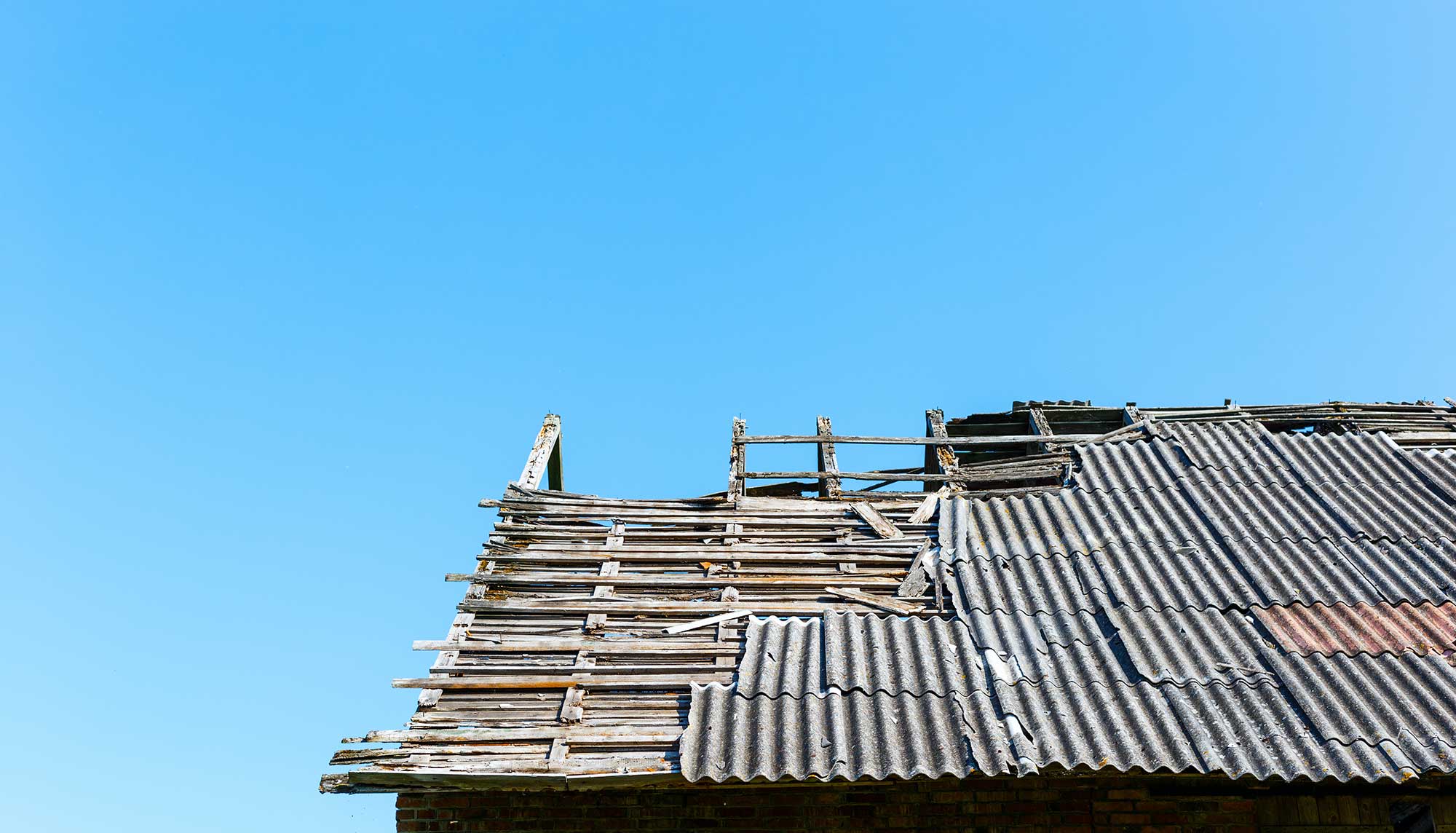
Corrugated asbestos cement sheets are still often seen on roofs, canopies and garden sheds. We remove them safely and dispose of them correctly.
Free site visitRequest a quote
Removing asbestos corrugated sheets
On this page
  1. 01Recognisable by their shape and colour
  2. 02Why you should not start this yourself
  3. 03What happens to the sheets after dismantling?
  4. 04Also check the underlying structure

If you own an older home or a garden shed, you know them well: those grey, wavy sheets on the roof of the garage or the storage room. Often they are asbestos cement, better known as Eternit corrugated sheets. As long as they are intact and not weathering, the risk is limited. But as soon as you want to remove them, there are a few things to consider.

Recognisable by their shape and colour

Asbestos corrugated sheets are usually grey, but due to years of weather exposure they can turn greenish or dirty. They have a recognisable corrugated profile and were mainly used between the 1950s and 1990s for roofs of sheds, barns, lean-tos and garden houses. You also come across them as cladding or boundary fencing.

If they are in good condition, the risk of fibre release is limited. The material is bonded, meaning the asbestos fibres are tightly embedded in the cement. But beware: old sheets become brittle. When dismantling or moving them, dust can still be released. That is why this work is for an asbestos roof remover who knows how to handle that brittleness.
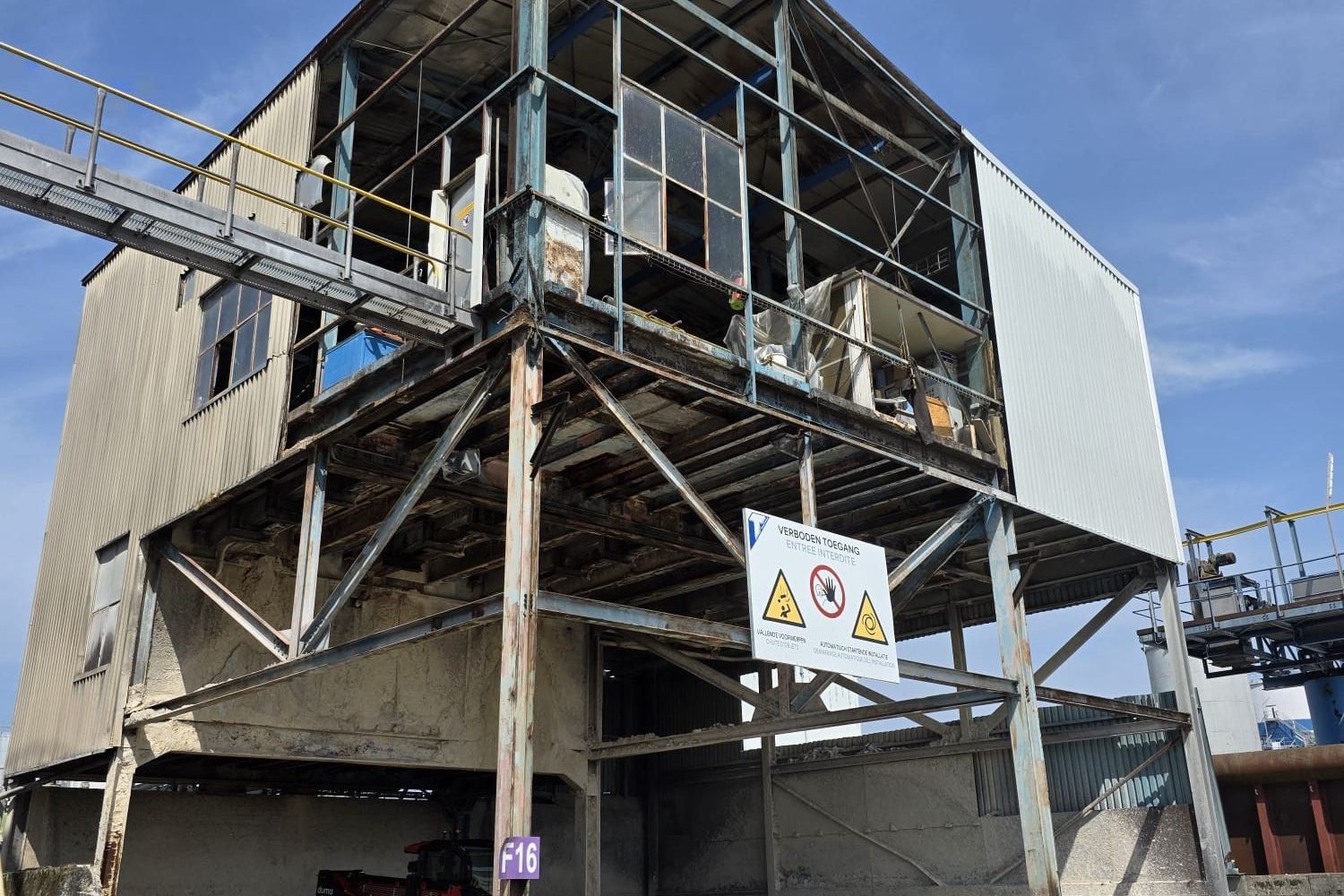
Industrial building on a steel frame with a warning sign, its cladding being removed
Photo: Credim

Why you should not start this yourself

Private individuals are allowed to remove up to 35 square metres of bonded asbestos themselves, provided it is undamaged and screwed, not glued or nailed. Sounds simple, but in practice you often see that sheets are damaged or that nails were used previously. Moreover, you must submit a demolition notification via the Environmental Counter. And then there is the disposal.

We come with a team that professionally dismantles the roof or cladding. The sheets are kept wet to limit dust formation, carefully stacked and packed airtight in foil of at least 100 microns.

Simple handling or hermetic zone?

For corrugated sheets in good condition, the technique of simple handling is often sufficient. The fibre levels must remain below the legal standard. However, if the roof is damaged, weathered, or if a lot of work needs to be done on the underlying structure, we switch to a hermetic zone with negative pressure.

What happens to the sheets after dismantling?

Asbestos must not go into regular household waste. As a private individual, you can bring up to 200 kilograms per year to the recycling centre for free, but friable asbestos is not allowed there. For corrugated sheets, they must be properly packaged. We arrange the asbestos disposal completely for you. The sheets go into sealed containers and are transported to a licensed processor.

Also check the underlying structure

Once the corrugated sheets are off, we immediately inspect the wooden or metal substructure. Often there is still asbestos in other places, for example as asbestos sheets as wall cladding in the same shed. We inspect the whole and advise you on what else needs to be removed. This way, you are less likely to be faced with surprises during a later renovation.

What about the asbestos certificate?

An asbestos certificate is drawn up by a certified asbestos expert. This certificate is mandatory when selling a house built before 2001 and shows where asbestos is present. We do not draw up certificates ourselves, but we are happy to work with the expert who prepares your certificate. If you already have the certificate, we know exactly where we stand. If not, we refer you to an accredited expert. After that, we schedule the removal.

Thinking about a roof renovation? Combine asbestos removal with insulation. You may then qualify for a grant via My Renovation Grant. The conditions change regularly, so make sure you are well informed.

Request a quote for the removal of your asbestos corrugated sheets. We will come by, assess the situation and give you a clear price.

Good to know

Asbestos corrugated sheets are bonded, but become brittle with weathering. You may only remove them yourself up to 35 m² and only if they are undamaged and screwed down. If in doubt, it is better to leave it to a certified company.

How we work

From site visit to completion

  1. 01

    Free site visit

    An expert visits, assesses the situation and advises on the correct technique.

  2. 02

    Clear quote

    You receive a clear, no-obligation quote.

  3. 03

    Safe remediation

    We cordon off the area and remove the asbestos in accordance with legal regulations.

  4. 04

    Disposal & completion

    The asbestos is transported and processed airtight.

Why Credim

A certified partner for safe asbestos removal

01

Certified & accredited

Certified asbestos removal company with intensively trained staff.

02

All three techniques

Airtight zone, glove bag and simple handling in-house.

03

Safety & prevention

Strict containment and air measurements protect people and the environment.

04

Fast and flexible

A large team with years of experience: we act quickly for your site.

Recognised asbestos removal companyRecognised for demolition and removal works (FPS Employment)View our recognition (pdf)

Frequently asked questions

What is the difference between asbestos corrugated sheets and eternit corrugated sheets?
Eternit is a brand name so established that we often use it for all asbestos cement corrugated sheets. It concerns the same material: cement sheets with asbestos fibres in them.
Can I remove asbestos corrugated sheets myself?
Yes, but only if it concerns bonded, undamaged asbestos that is screwed down, and if the surface area is smaller than 35 m². In addition, you must file a demolition notification via the Environmental Counter. Damaged, glued or nailed sheets must always be removed by a certified company.
How much does it cost to remove asbestos corrugated sheets?
The cost depends on the surface area, accessibility and condition of the material. We would be happy to give you a tailored, no-obligation quote.
Can I take asbestos corrugated sheets to the recycling park myself?
Yes, as a private individual you may bring up to 200 kg per year for free, provided the sheets are packed airtight in foil of at least 100 microns. However, it is easier and safer to let us arrange the disposal.
Is an asbestos certificate mandatory when removing an asbestos roof?
An asbestos certificate is mandatory when selling a home built before 2001, but not specifically for roof removal. However, it is useful to have a certificate, as it tells you whether other asbestos applications are present. A certified asbestos expert issues the certificate, not us.

Also interesting

  • Removing an asbestos roof
  • Asbestos sheets and cladding
  • Asbestos disposal
  • Grant in Flanders
No-obligation and free

In doubt about asbestos? Request a free site visit.

A certified expert visits, assesses the situation and gives you a clear, no-obligation proposal.

  • Free site visit
  • Certified & insured
  • Fast and discreet
Free site visitCall 09 396 64 56

* Premium amounts, subsidy conditions and legal deadlines may change. The information on this page is indicative; always check the current rules with OVAM, your municipality or via Mijn VerbouwPremie. Last reviewed: September 2026.