For bonded asbestos with a low risk of fibre release, we use the simple procedure. As long as the asbestos level remains below 0.01 fibres/cm³, this is a safe and prescribed approach.
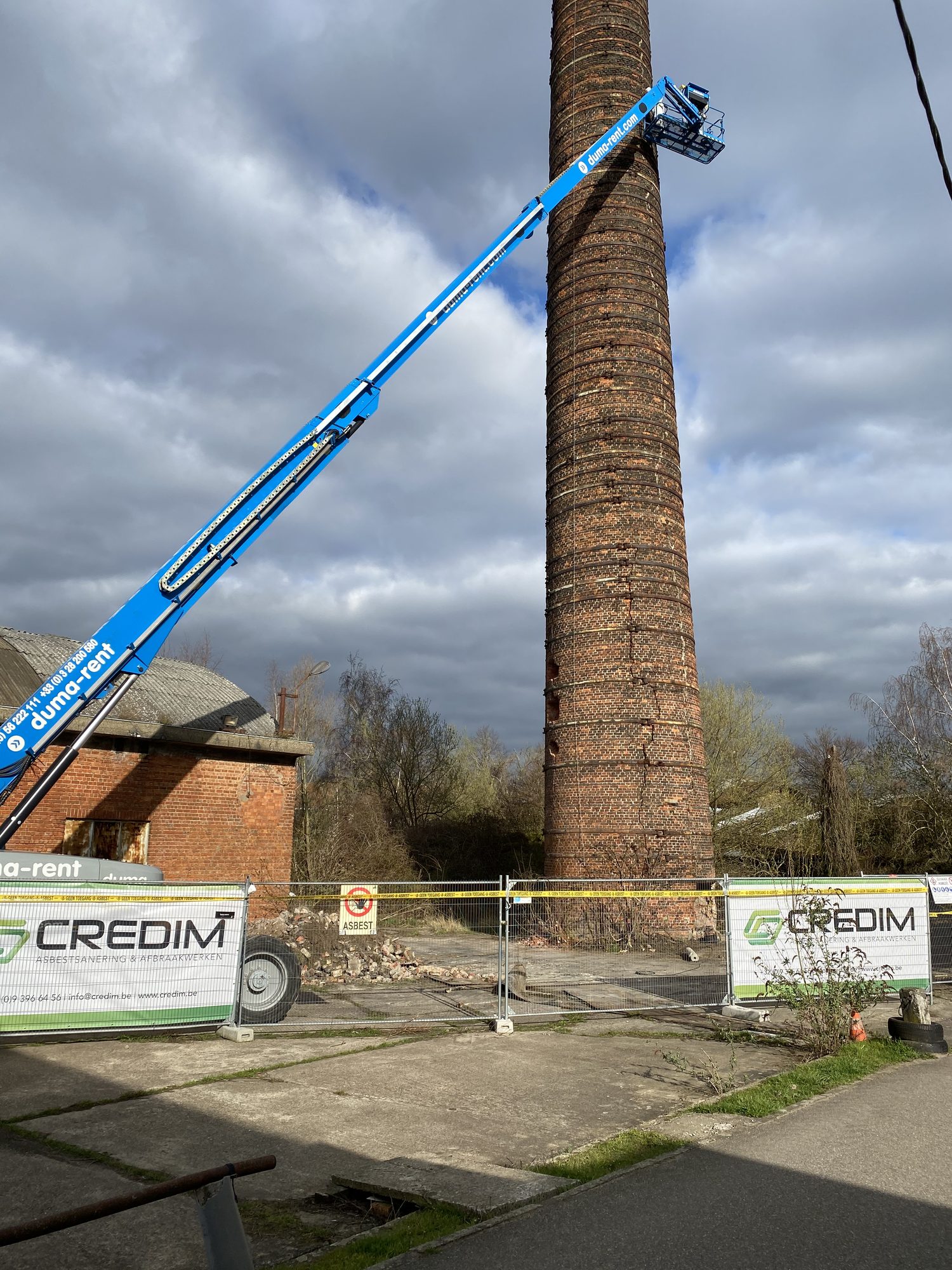
Not every asbestos removal requires a fully sealed zone with airlocks. For bonded material that is undamaged and securely attached, the so-called simple procedure may be used. Think of asbestos cement corrugated sheets, some floor tiles or a piece of roof slates. It is a technique defined by the government and may only be carried out by a certified asbestos removal contractor.
A simple procedure is a recognised technique for asbestos removal where the risk of fibre release remains low. The asbestos level in the air must remain below 0.01 fibres/cm³ during the works. This is measured with a special pump. If the value remains below this, the intervention is safe for the workers and for you as a resident.
In practice, this often involves unscrewing asbestos cement sheets or carefully removing floor tiles that are not damaged. It is important that the material is not broken, sawn or sanded. As soon as that is necessary, the simple procedure no longer applies and we must use a heavier technique.
The regulations are clear. You may only use this technique on bonded asbestos that is undamaged and where the fibres are firmly embedded in the material. In addition, the asbestos must be screwed, not glued or nailed. For glued floor coverings or damaged sheets, a different approach is needed.
You may only remove asbestos yourself if you meet strict conditions, such as a maximum area of 35 m² and a demolition notification. But even then, it is not always wise. A certified company like Credim knows exactly where the risks lie. We work according to a strict work plan and wear the right protection. This limits the risk of fibres being released, for example if a sheet cracks during unscrewing.
Are you unsure whether your job falls under the simple procedure? Then take a look at which technique you need. This way you immediately know what to expect.
At Credim, we always start with a thorough inspection. We check the condition of the asbestos, how it is attached and whether there are any risks. Then we draw up a work plan. This is not just paperwork; it is the guideline for safe removal.
On site, we cordon off the work area. We use adapted tools and work from the outside in, or from top to bottom, depending on what is safest. Each piece of asbestos is kept wet to avoid dust and immediately sealed airtight in foil of at least 100 microns. We then transport it to a certified processing facility.
After the works, we check that no asbestos residues remain. Even with a simple procedure, this is an absolute must. You do not want fibres to be released later during a renovation.
For asbestos roofs, the simple procedure is often the right choice, as long as the sheets are intact. In practice, however, we see that roof sheets are sometimes damaged by weather and wind. In that case, we switch to a safe asbestos roof removal using a different technique. Also for asbestos-containing vinyl floors, the simple procedure is not always possible. The black cutback adhesive under old floors is brittle and can release fibres, so it should always be handled by a certified company.
Are you curious whether you are allowed to do it yourself? The rules are stricter than you think. So read what you are allowed to do yourself before you start.
We are a certified asbestos removal contractor and operate throughout Flanders. Our team is trained to the latest standards and knows exactly which technique suits which job. Whether it concerns a simple procedure or a hermetic zone, we ensure that the asbestos is removed safely and legally.
You receive a clear plan in advance and a clean workplace afterwards. Feel free to contact us for a tailored quote.
The technique needed depends on the material and its condition. Credim masters all three.
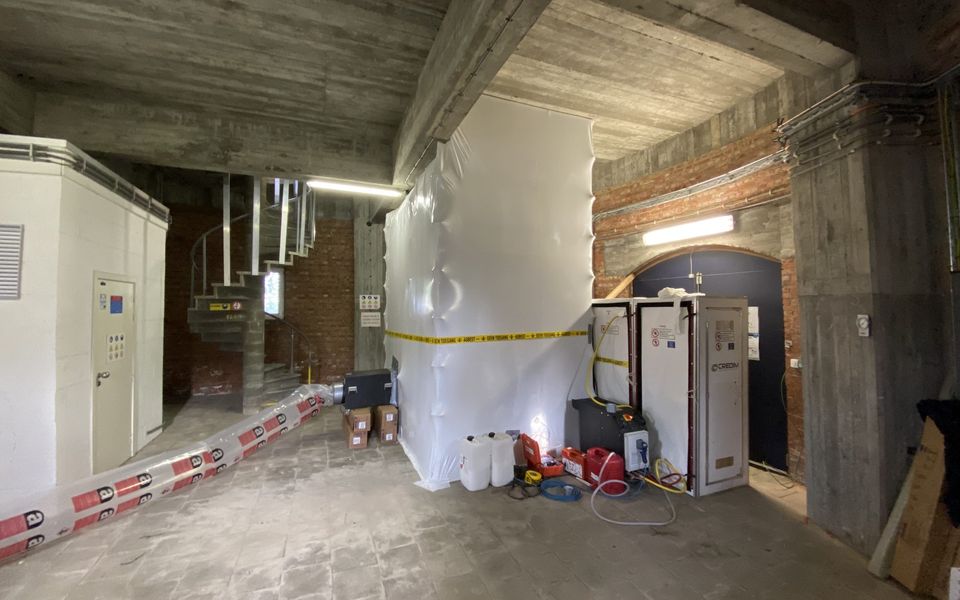
For damaged or non-bonded asbestos. The area is sealed airtight and put under negative pressure.
More about this technique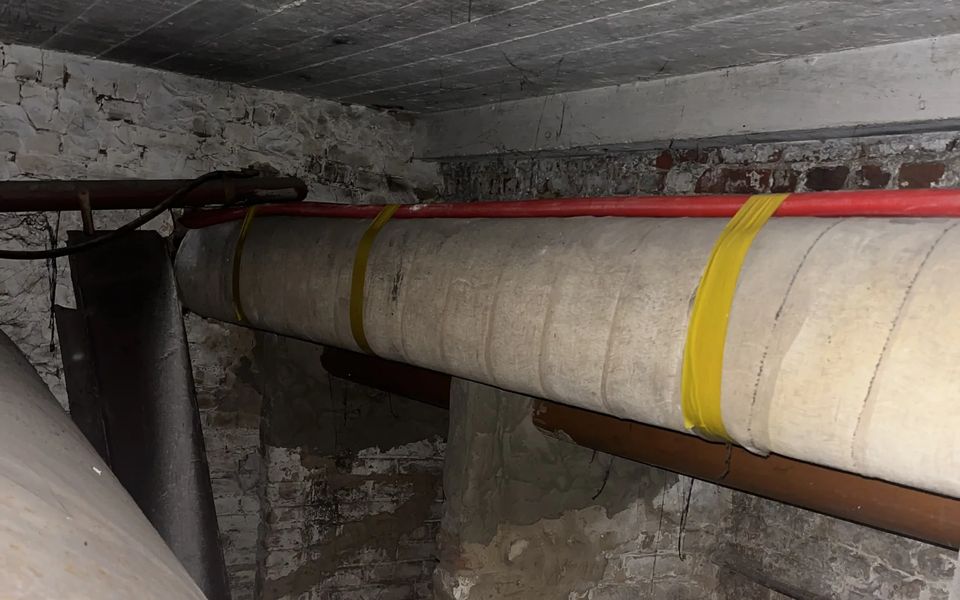
The glovebag method for pipe insulation in the open air, mainly on industrial sites. The material is removed in a sealed bag around the pipe using built-in gloves.
More about this technique
For bonded material with a low risk of fibre release, such as asbestos cement. According to a strict work plan and with the right protection.
More about this techniqueA certified expert comes by, assesses the situation, and gives you a clear, no-obligation proposal.