Disposing of asbestos correctly is strictly regulated. We explain how it works, and why you should hire an accredited company for a major remediation.
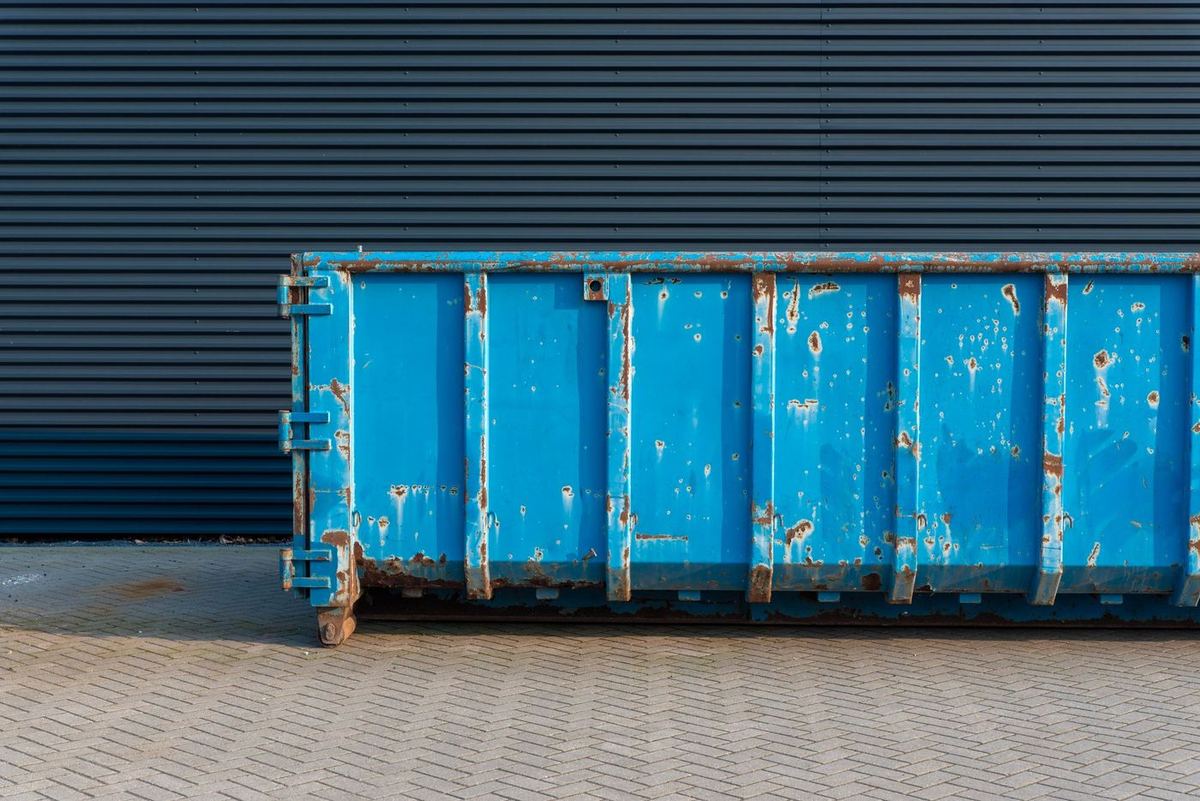
Removing asbestos is one thing, but disposing of it correctly is at least as important. The material cannot simply be thrown into a skip or with regular waste. Strict rules apply, and they exist for good reason. Fibres released when asbestos is broken or moved are dangerous to your health. That is why it is important to handle it properly.
The legislation on asbestos disposal is clear. Asbestos must be packed airtight in a sturdy foil of at least 100 microns thick. That foil must be properly sealed with tape so that no fibres can escape. After that, you may take it to the recycling centre. There, accepting asbestos is free of charge, up to 200 kg per household per year. Do you bring more? Then you pay a fee.
However, there is an important exception. Friable asbestos, such as insulation material or sprayed asbestos, may never be taken to the recycling centre by yourself. This must always be done by a licensed company. Also, if you have bonded asbestos that is damaged or that you are unsure about, it is better to leave it to a professional.
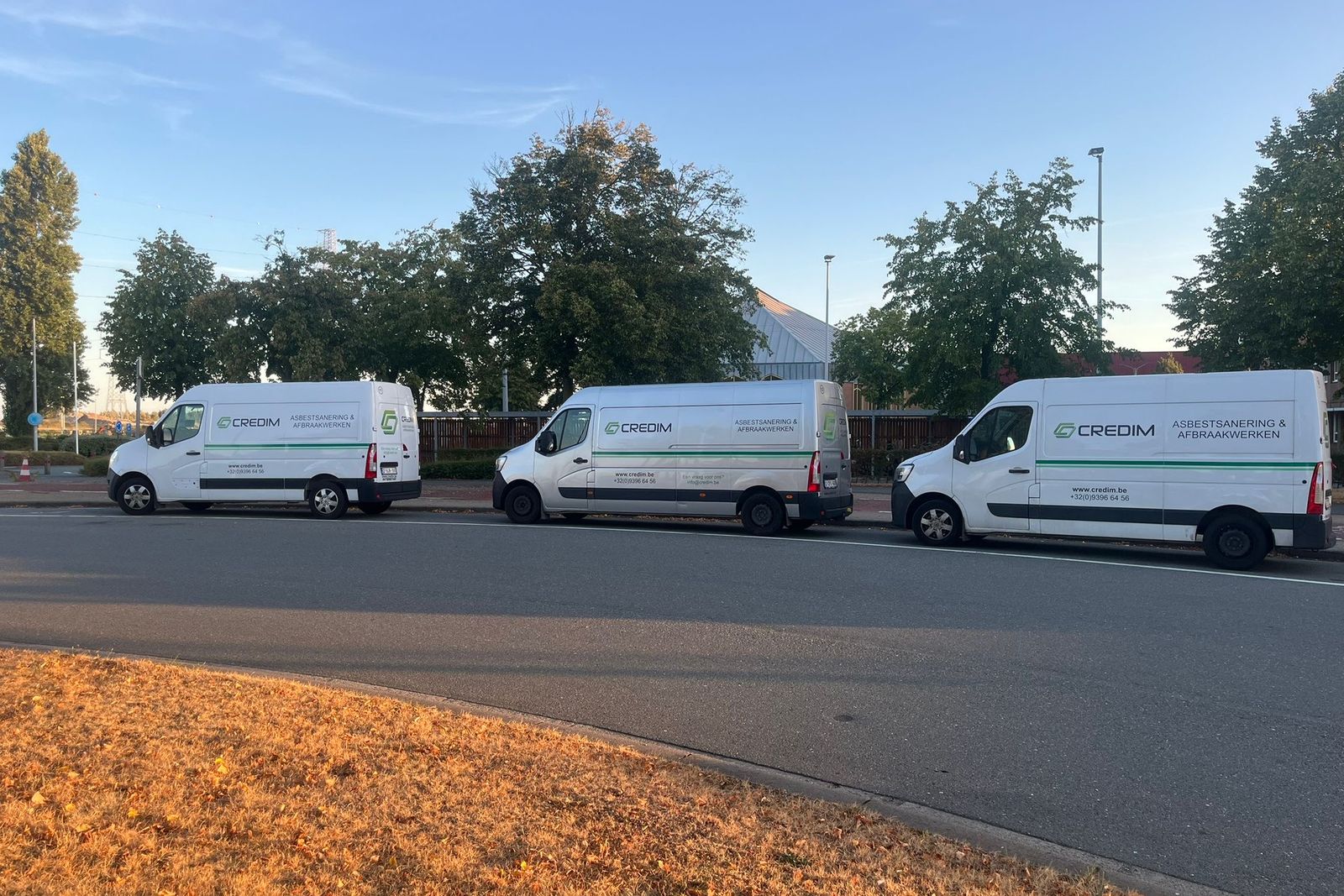
When we at Credim carry out an asbestos removal, we also arrange the disposal and processing. You do not need to hire a skip yourself or drag sheets into your car. We ensure that the asbestos is safely removed from your roof or out of your cellar, and that it ends up with a licensed processor.
Such an approach is especially worthwhile for larger surfaces, such as a roof with asbestos corrugated sheets. Those sheets are large, brittle and difficult to handle. Taking them to the recycling centre yourself is not only hard work, but also risky. One mistake when loading and you have damaged sheets from which fibres are released. Not something you want to burden your neighbours or your family with.
If you want to dispose of small pieces of bonded asbestos, you can do so yourself under certain conditions. This concerns, for example, a piece of corrugated sheet or an asbestos-containing window sill. The material must be undamaged and you must be able to unscrew it without breaking it. Furthermore, you must submit a demolition notification via the Omgevingsloket. And you may only remove up to 35 m² yourself. Anything above that, or material that is glued or nailed, is for a licensed company.
Are you unsure whether you are allowed to get to work yourself? Then read our page about removing asbestos yourself. There you will find all the conditions listed.
If you dispose of asbestos yourself, you must pack it well. You do this with a sturdy, airtight foil. Preferably use special asbestos bags or foil that you can find at a DIY store. These are thick enough and have the right warnings. Wrap the material completely and seal the seams with tape. Make sure no sharp edges poke through the foil. A damaged package is a problem, because fibres may then be released.
For those who take on a larger project and want to hire an asbestos container, a different rule applies. That container must be placed by a licensed company. You cannot simply fill the container yourself and take it to the recycling centre. Collection and emptying are done by a specialised company. That is also logical, because such a container often stands on a construction site for weeks and must be resistant to weather and wind.
Our advice? For one or two small pieces, you can do it yourself. For a complete roof renovation or the removal of pipe insulation in the cellar, it is better to call in a licensed company. We come by, assess the situation and professionally dispose of the asbestos. You only have to open the door.
Want to know more about our approach? Then see how we proceed with asbestos removal.
An accredited expert comes by, assesses the situation and gives you a clear, no-obligation proposal.