For damaged or non-bonded asbestos, we seal the room airtight and work under negative pressure.
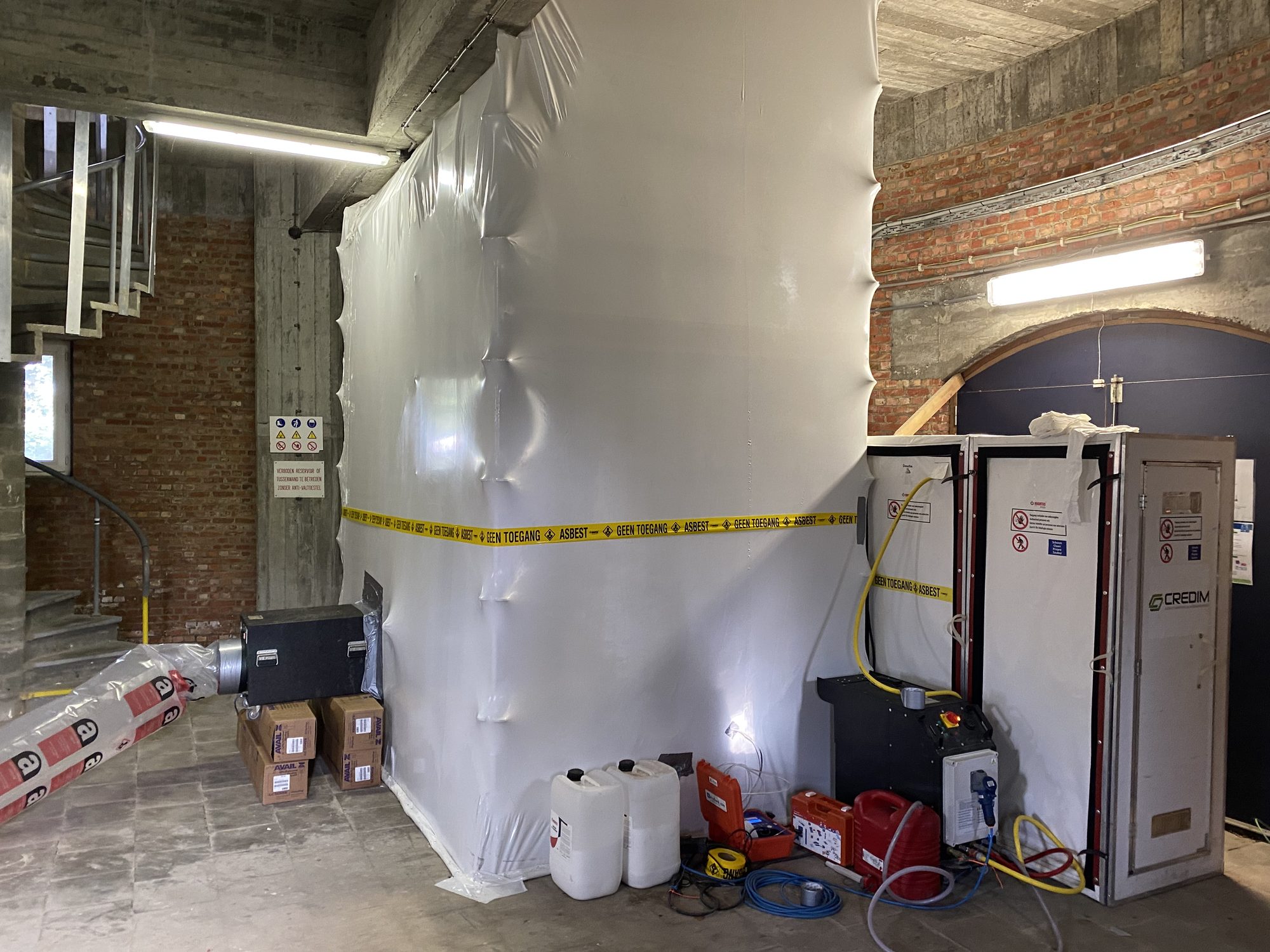
Sometimes being careful is not enough. With asbestos that is friable or damaged, a simple operation or a glove bag is not sufficient. That is when we work in a hermetic zone: a room sealed airtight and put under negative pressure. It is there to stop fibres from escaping, even during the most invasive work.
Not every asbestos application requires the same approach. The technique depends on the condition of the material and how strongly the fibres are bound. An airtight containment zone comes into play for:
These applications release fibres at the slightest disturbance. That is why a vacuum cleaner or a face mask is not enough. The room itself becomes the work area, and it must be completely sealed off.
We seal off the room or part of the building airtight with sturdy sheeting. A decontamination unit, a kind of airlock with different compartments, ensures that no one simply walks in or out. Inside, there is a slight negative pressure, so air flows inwards rather than outwards. The air is continuously filtered with a HEPA filter.
Our staff wear disposable coveralls and respiratory protection. The material is kept wet, carefully removed and immediately double-wrapped in thick sheeting. Only after the area has been thoroughly cleaned and a visual inspection has been carried out may the negative pressure be released.
For bonded asbestos up to 35 square metres, private individuals are sometimes allowed to do the work themselves, provided they file a demolition notification. But as soon as the material is damaged or friable, that right stops. The law is strict about this, and rightly so. Without the right equipment and knowledge, you can spread fibres through your home without noticing. The fibres are invisible, and you do not want them in your lungs.
An accredited asbestos removal contractor has the training, the resources and the licence to do this safely. At Credim, we work in accordance with the regulations of the FOD WASO, using the right technique for every situation. Are you unsure which approach your home needs? On our page about the right asbestos technique, we explain the differences.
Before we start, an asbestos expert visits. They draw up an inventory and determine whether it concerns bonded or non-bonded asbestos. Based on that, we choose the technique. For an airtight containment zone, we schedule the work so that your home is disrupted for as little time as possible. We work quickly, but never in a hurry. Every step is checked and documented.
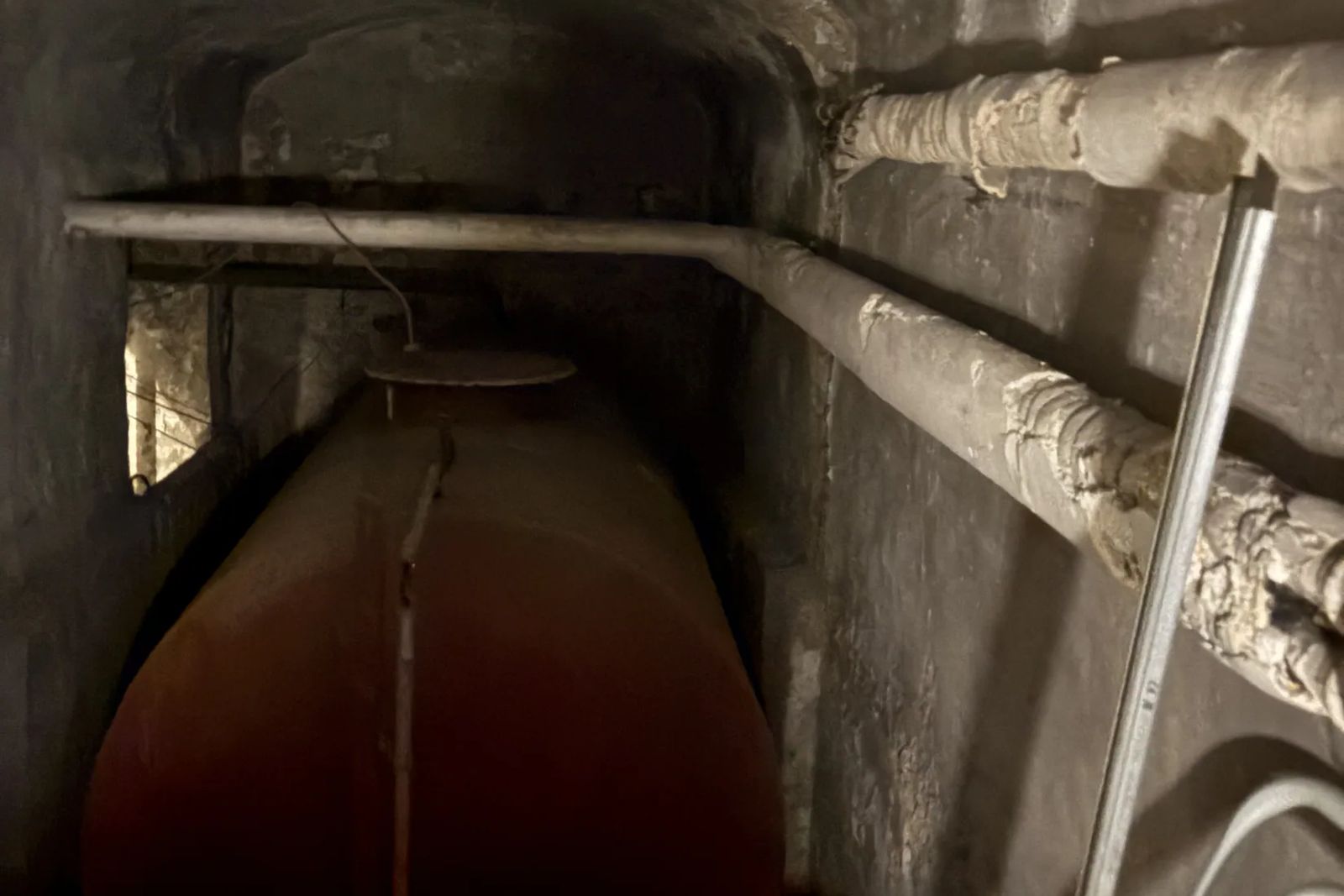
Are you dealing with old pipe insulation in the cellar or a vinyl floor from the 1960s? Then first take a look at the page about pipe insulation or vinyl flooring to see what to look out for. And remember: as long as you do not disturb it, asbestos usually remains harmless. It is only during renovation work or when it is damaged that it becomes dangerous.
Which technique is needed depends on the material and its condition. Credim masters all three.
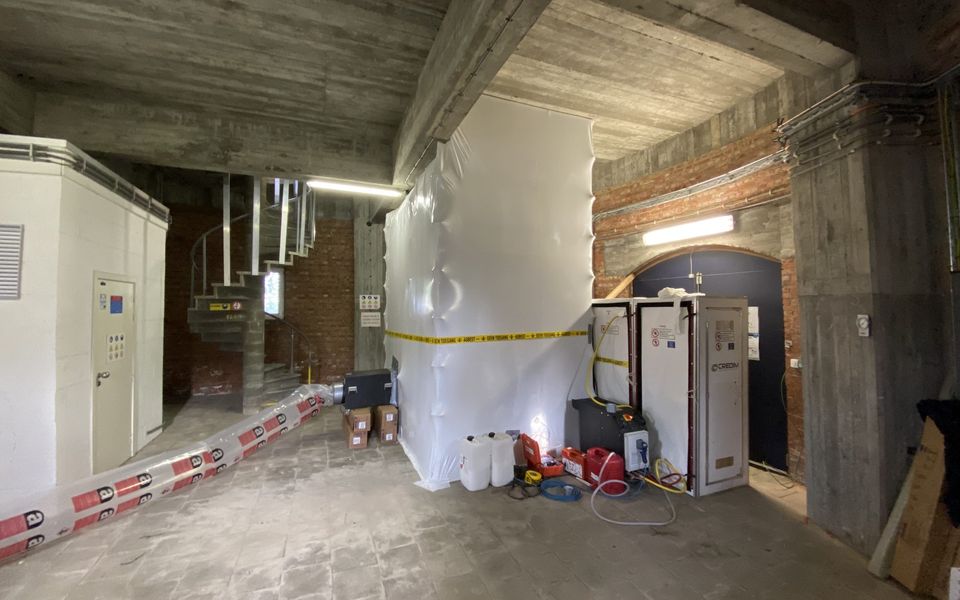
For damaged or non-bonded asbestos. The room is sealed airtight and put under negative pressure.
More about this technique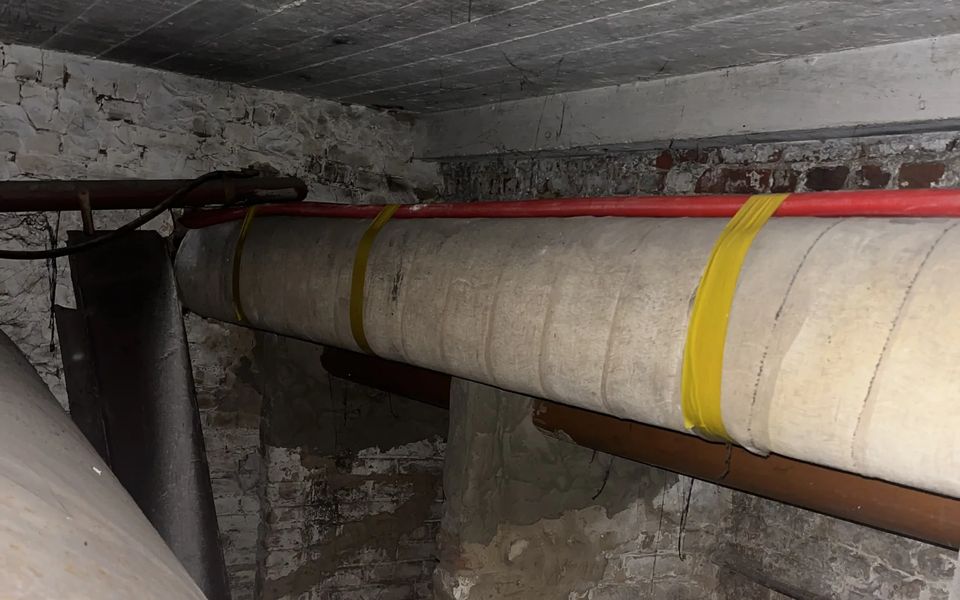
The glovebag method for pipe insulation in the open air, mainly on industrial sites. The material is removed in a sealed bag around the pipe using built-in gloves.
More about this technique
For bonded material with a low risk of fibre release, such as asbestos cement. According to a strict work plan and with the right protection.
More about this techniqueA certified expert comes by, assesses the situation, and gives you a clear, no-obligation proposal.