CredimAsbestos removal & demolition
Services

Our specialities

  • Asbestos pipe insulationWhite plaster around your heating pipes
  • Asbestos vinyl floor & black glueVinyl, tiles and bitumen glue
  • Asbestos plasterPlaster on walls and ceilings
  • Asbestos roof & sheetsEternit, slates and underroof
  • What does asbestos removal cost?

More applications

  • Asbestos corrugated sheets
  • Asbestos panels
  • Asbestos flue & chimney
  • Asbestos facade
  • Asbestos underroof

Who we help

  • For homeownersRenovation or sale
  • For professionalsContractors, syndics, industry
  • Demolition works
  • Certified asbestos remover
Techniques

The three legal techniques

  • Hermetic zoneNegative pressure for damaged asbestos
  • GlovebagOnly for pipes in the open air
  • Simple handlingBonded material, low risk
  • Which technique do I need?
Info & advice

Know what's in your home

  • Recognising asbestos
  • Asbestos testing
  • Is asbestos dangerous?
  • Asbestos information

Certificate & regulations

  • Asbestos certificate (sale)
  • Certificate for common areas
  • Asbestos inventory
  • Demolition notification

Costs, grants & disposal

  • What does asbestos removal cost?
  • Grants in Flanders
  • Can I remove asbestos myself?
  • Asbestos disposal
  • Asbestos container hire

About Credim

  • About CredimCertified team from Stabroek
  • ProjectsOur work in pictures
  • ContactCall or email us
info@credim.be09 396 64 56Free site visit
CredimAsbestos removal & demolition

Certified asbestos remover for the whole of Flanders. Safe, discreet and following the legal techniques, for homeowners and professionals alike.

  • Conservenweg 6C, 2940 Stabroek
  • 09 396 64 56
  • info@credim.be

Asbestos removal

  • Asbestos pipe insulation
  • Asbestos vinyl floor
  • Asbestos plaster
  • Asbestos roof & sheets
  • Demolition works
  • For homeowners
  • For professionals

Our techniques

  • Hermetic zone
  • Glovebag
  • Simple handling
  • Which technique?

Info & advice

  • Recognising asbestos
  • Asbestos certificate
  • Asbestos disposal
  • Premie Vlaanderen
  • Asbestos info

Credim

  • About Credim
  • Projects
  • Contact
  • Free site visit

Unsure about asbestos in your home? Request a free site visit.

Free site visit

Service area: all of Flanders

  • Antwerpen
  • Gent
  • Brugge
  • Leuven
  • Mechelen
  • Aalst
  • Sint-Niklaas
  • Kortrijk
  • Hasselt
  • Genk
  • Oostende
  • Roeselare
  • Turnhout
  • Lier
  • Lokeren
  • Dendermonde
  • Beveren
  • Brasschaat
  • Vilvoorde

Information about grants, prices, deadlines and legislation is indicative and may change. Always check the current rules with the competent authorities.

© 2026 Credim BV · BE 0759.644.909

Privacy policyTerms and conditionsWebsite by Varamedia
Get in touch
  1. Credim BV
  2. Asbestos removal in Flanders
  3. Glove bag: safely removing asbestos around pipes
Asbestos removal

Glove bag: safely removing asbestos around pipes

The glovebag is, as a rule, only permitted for pipe insulation in the open air; indoors only as a rare exception. Credim uses it mainly on industrial sites; in homes we work in a hermetic zone.
Free site visitRequest a quote
Glove bag: safely removing asbestos around pipes
On this page
  1. 01What is a glovebag?
  2. 02How does the procedure work?
03
Difference from a hermetic zone

What is a glovebag?

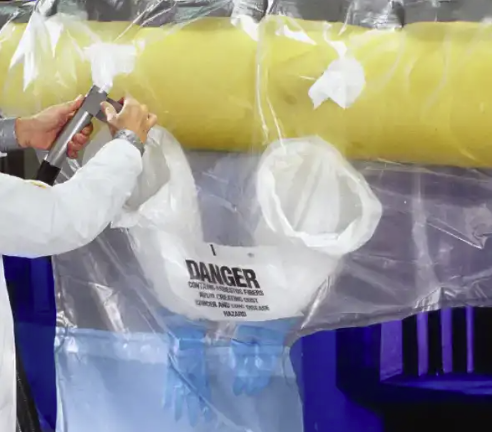
A glovebag is a transparent plastic bag that is taped airtight around a pipe. The bag has built-in gloves. This allows us to remove the asbestos-containing material inside the sealed bag. The bag remains closed and is then disposed of as asbestos waste.

When do we use this technique?

Under the Code on well-being at work (art. VI.3-55), the glovebag may, as a rule, only be used to remove asbestos insulation around pipes in the open air, and even then only under strict conditions, among other things: a single, easily accessible pipe, a total diameter including insulation of no more than 60 cm, a pipe temperature of no more than 30 °C and insulation that is barely damaged. Indoors, the method is only permitted as a rare exception and with a substantiated notification. That is why we mainly use it on industrial sites, for example for outdoor pipework on company premises. We always remove pipe insulation in a cellar or boiler room in a hermetic zone.

The technique is legally recognised by the FOD WASO and may only be carried out by a licensed asbestos removal contractor. Doing it yourself with a plastic bag and gloves is not a good idea: without proper sealing and negative pressure, fibres can escape.
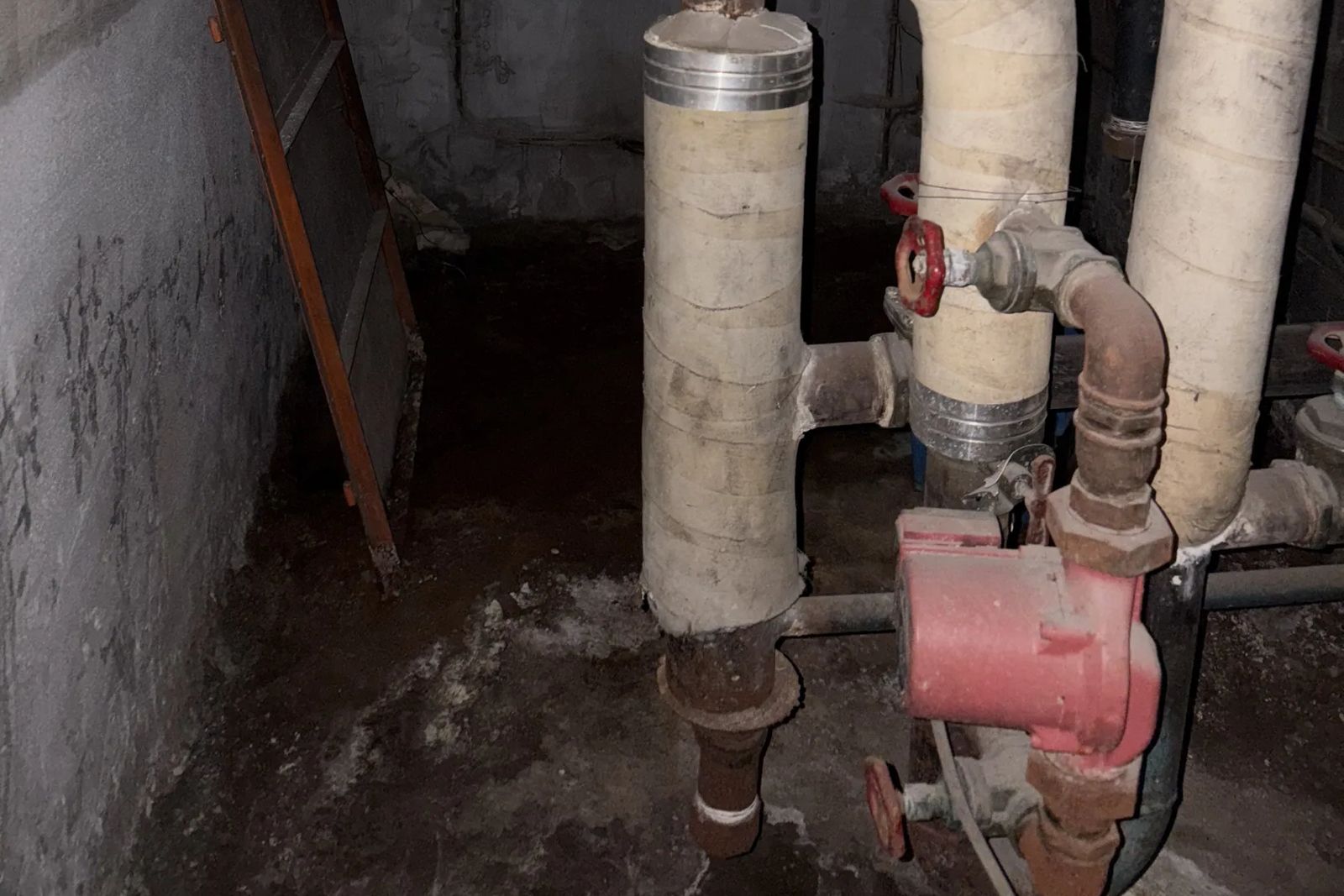
Insulated pipes with a red pump and red-handled valves in a dark room
Photo: Credim

How does the procedure work?

Before we start, we cordon off the work area and measure the fibre concentration in the air. Then we place the glovebag around the pipe. Through the gloves in the bag, we loosen the asbestos with appropriate tools while keeping the material wet to avoid dust formation. Everything we remove goes straight into the bag.

After the procedure, the bag is carefully closed and sealed. We dispose of the waste as asbestos-containing waste, with the necessary documents. Finally, we measure afterwards to see if there are still fibres in the air.

Why not do it yourself?

Asbestos fibres are only dangerous when they are released. When removing pipe insulation, this risk is real: the material is often crumbly and is located around bends and fittings. A licensed company not only has the right equipment, but also the knowledge to carry out the work in accordance with the rules. Moreover, the legislation is strict: for most asbestos removals, you must hire a licensed company. Doing it yourself violates the rules and puts your health at risk.

Curious which technique applies to your situation? On our page about which asbestos technique you need, we explain the differences between a simple operation, a glovebag, and a hermetic zone.

Difference from a hermetic zone

For larger or damaged asbestos applications, such as an asbestos cement roof or non-bonded insulation over a large area, we build a hermetic zone with negative pressure. This is a sealed space where we work under negative pressure and with airlocks. The glovebag is, as a rule, only intended for limited amounts of pipe insulation in the open air.

Also for asbestos in a chimney or flue, a different approach is needed. This often involves a hermetic zone, because the asbestos is difficult to reach and a lot of dust can be released.

Are you unsure whether the glovebag technique is suitable for you? Contact Credim. We will look at the situation together and choose the safest and most efficient method.

Good to know

An asbestos certificate or inventory is drawn up by a certified asbestos expert. Credim is a licensed removal contractor and carries out the remediation indicated by the certificate.

Our techniques

The three legal remediation techniques

Which technique is needed depends on the material and its condition. Credim masters all three.
01Heaviest protection

Hermetic zone

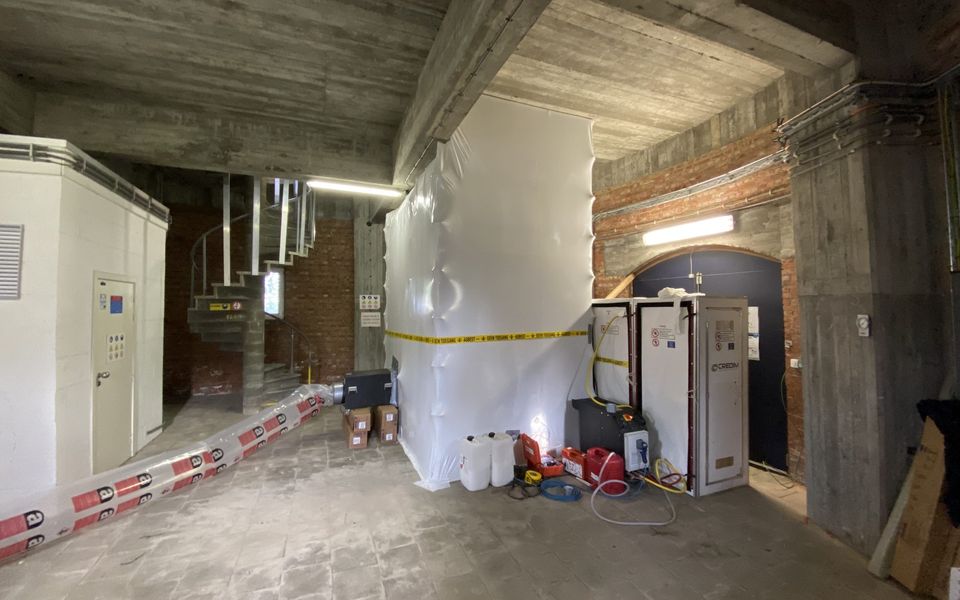
For damaged or non-bonded asbestos. The space is sealed airtight and put under negative pressure.

More about this technique
02Outdoors only

Glove bag

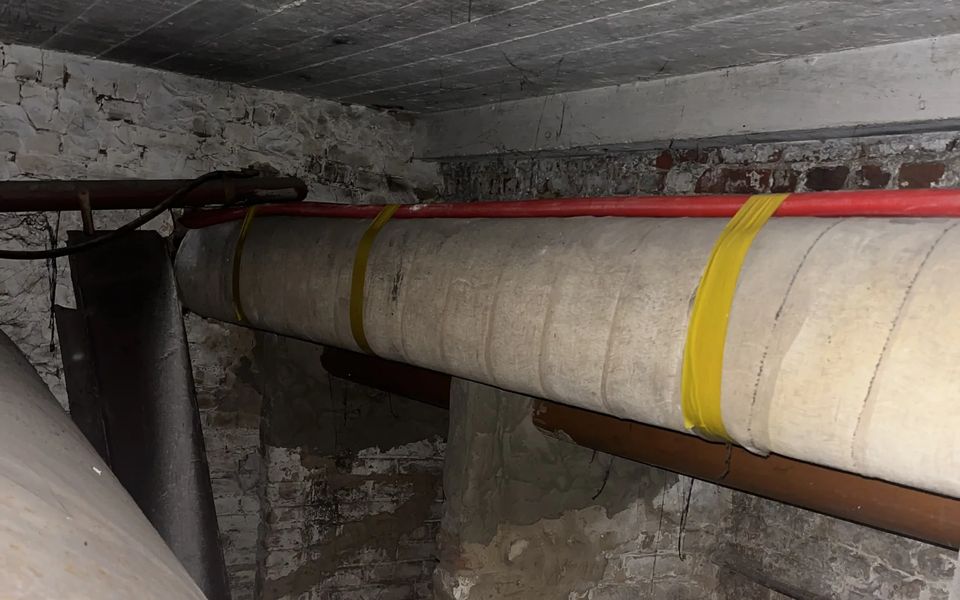
The glovebag method for pipe insulation in the open air, mainly on industrial sites. The material is removed in a sealed bag around the pipe using built-in gloves.

More about this technique
03Low risk

Simple operation

For bonded material with a low risk of fibre release, such as asbestos cement. According to a strict work plan and with the right protection.

More about this technique
Which technique do I need?

Frequently asked questions

What exactly is a glove bag?
A glove bag is an airtight plastic bag that is attached around a pipe. The bag contains gloves, so that the material is removed inside the closed bag.
When is the glove bag technique used?
We only use it to remove limited amounts of asbestos pipe insulation in the open air, for example outdoor pipework on an industrial site. Indoors, such as around heating pipes in a cellar, we work in a hermetic zone. It is one of the three legally recognised methods for asbestos removal.
Can I remove asbestos around pipes myself?
No. Removing asbestos-containing pipe insulation yourself is not allowed, even if it concerns a small piece. This must always be done by a licensed asbestos removal contractor.
How do I know if my pipe insulation contains asbestos?
Asbestos insulation is often recognisable by a white-grey, crumbly layer around pipes, sometimes wrapped in jute cloth. You can only get certainty through a sample taken by a certified asbestos expert.
What happens to the asbestos waste after the intervention?
The asbestos is sealed in the glove bag and removed as specific waste. Credim ensures correct disposal with the necessary documents, so that the waste is processed in the right way.

Also interesting

  • Removing asbestos pipe insulation
  • Asbestos chimney and flue
  • Which technique do I need?
  • Hermetic zone
Non-binding and free

Do you doubt asbestos? Request a free site visit.

A certified expert comes by, assesses the situation and gives you a clear, non-binding proposal.

  • Free site visit
  • Licensed & insured
  • Fast and discreet
Free site visitCall 09 396 64 56