Asbestos fibres can cause serious conditions, but not every piece of asbestos is acutely dangerous. We'll explain calmly.
The short answer: yes, asbestos is dangerous if you inhale the fibres. But the long answer is more nuanced. In many Flemish homes, asbestos is found in roofs, facades, floors or pipe insulation, and as long as that material is undamaged, the fibres stay neatly in place. It only becomes truly risky when you start drilling, sawing or breaking it, or when the material weathers and begins to crumble.
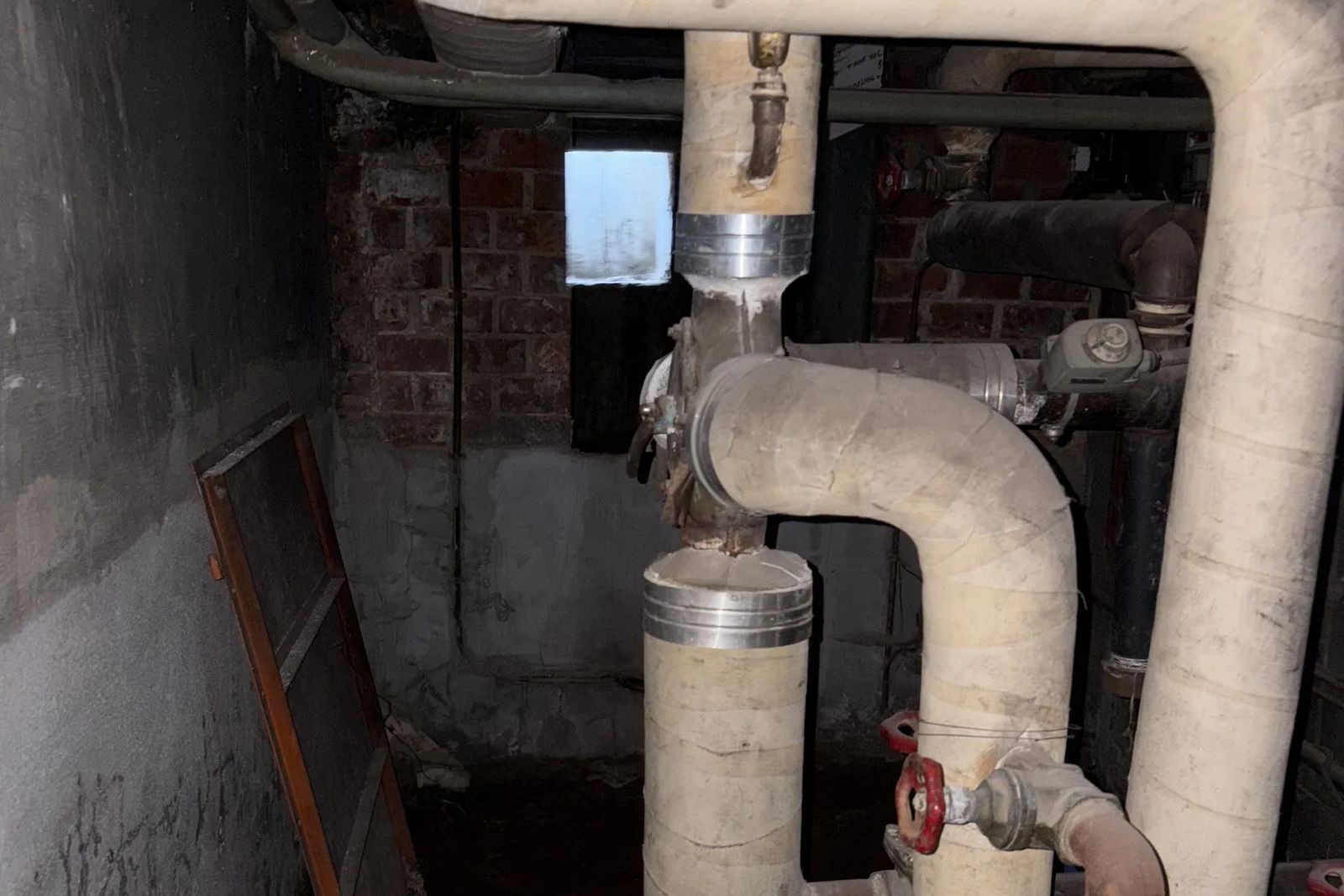
Asbestos fibres are microscopic and invisible to the naked eye. They are released when asbestos-containing material is damaged or worked on. Think of a corrugated roof that you cut with an angle grinder, or an old central heating pipe in the cellar where the insulation is coming loose. Especially non-bonded asbestos, such as pipe insulation or sprayed asbestos, is dangerous because it releases fibres very easily. Bonded asbestos, such as an asbestos cement roof, is less likely to be a problem, but even then, the fibres must not be released.
Do you recognise asbestos in your home? Then first check our guide on recognising asbestos to know what to look out for.
One-off contact with a piece of asbestos is no reason to panic. The fibres you inhale can lodge in your lungs and over time cause inflammation and scar tissue. This can lead to asbestosis, a lung disease that makes breathing difficult. Much more serious is the risk of mesothelioma, an aggressive form of cancer of the lining of the lungs or abdomen. This disease often only appears decades after exposure.
Important: we are not doctors and do not give medical advice. If you have come into contact with asbestos dust in the past, either professionally or during a DIY job, and you are worried, talk to your GP. They can refer you for a lung function test or a consultation with an occupational health physician.
The risk depends on the amount of fibres you inhale and how long you are exposed to them. A garden shed with an asbestos roof that you simply leave alone is not an acute danger. It becomes different when you want to remove that roof and it breaks into pieces. Then fibres are released, and you definitely do not want those in your lungs.
That is why it is important to have asbestos removed safely during renovation or demolition. Our asbestos removal works according to legal regulations, with the right protection and disposal.
For small pieces of bonded asbestos that are undamaged and screwed (not glued), private individuals may remove up to 35 m² themselves, but you must file a demolition notification. However, we strongly advise against this. Even with a careful job, fibres can be released, and the chance of making a mistake is high. Moreover, you must package and dispose of the waste correctly, and that is strictly regulated.
Want to know exactly what the rules are? Then check our page on removing asbestos yourself.
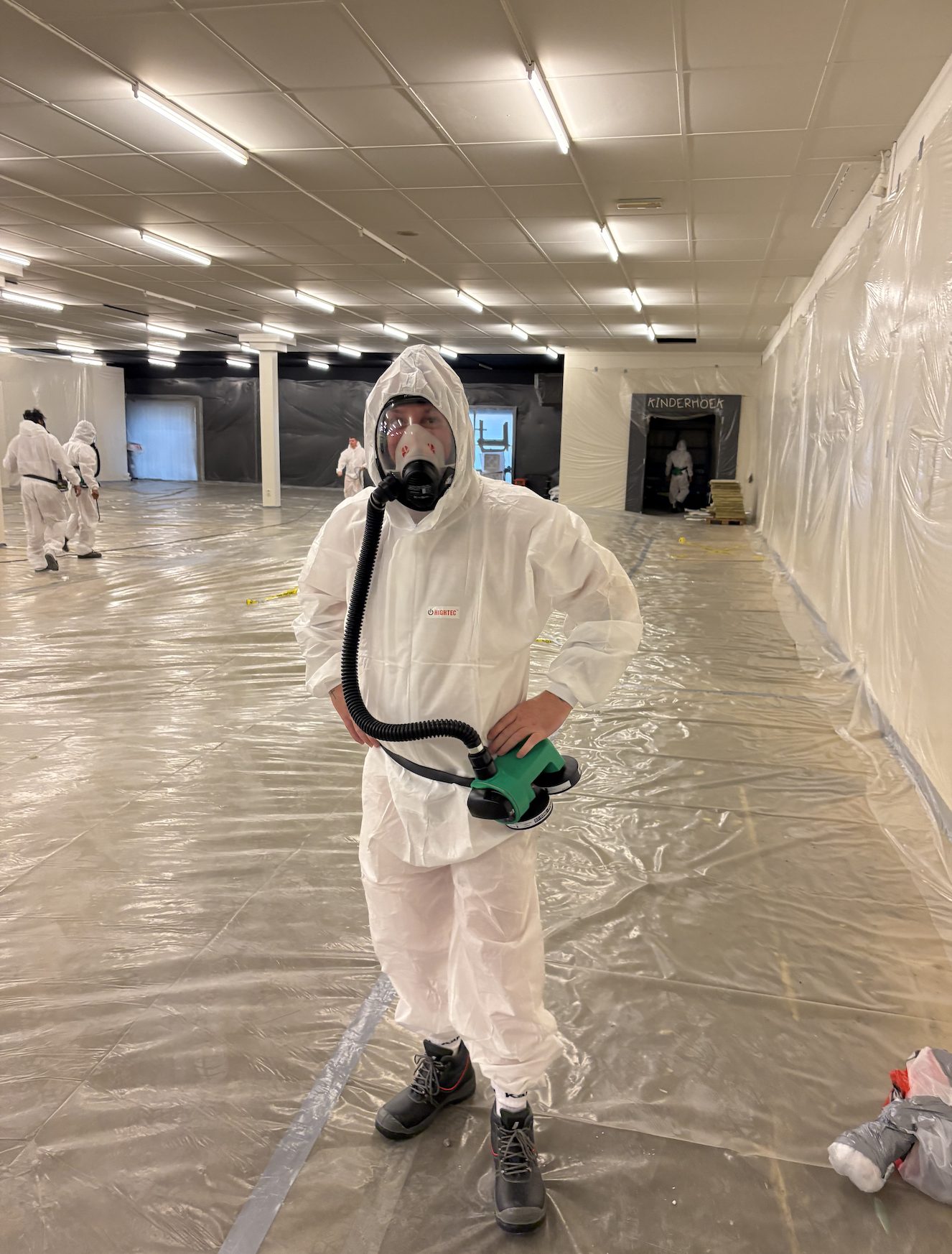
A certified removal company like Credim has the knowledge, the resources and the experience to remove asbestos safely. We work with hermetic zones, glove bags or a simple handling procedure, depending on the material and the risk. We ensure that the fibres do not end up in your living environment, and we dispose of the asbestos according to the regulations, with the necessary certificates.
Want to know more about why you should hire us? Read about the importance of a certified asbestos removal company.
As long as you are not sure whether something contains asbestos, the message is simple: do not touch it, do not sand it, do not break it. A piece of asbestos that you leave alone does nothing. But if in doubt, or before you start renovating, have a sample taken by a certified asbestos expert. They can say with certainty whether it is asbestos and what condition it is in. Then you can decide whether and how to have it removed.
Asbestos is not an enemy that creeps up on you at night, but it is a material that deserves respect. With the right approach, you can make your home asbestos-safe while keeping the risk to your health as low as possible.
A certified expert will come by, assess the situation and give you a clear, no-obligation proposal.