By 31 December 2026 at the latest, the HOA must also have an asbestos certificate for the common areas. We outline the rules and take care of the remediation smoothly.
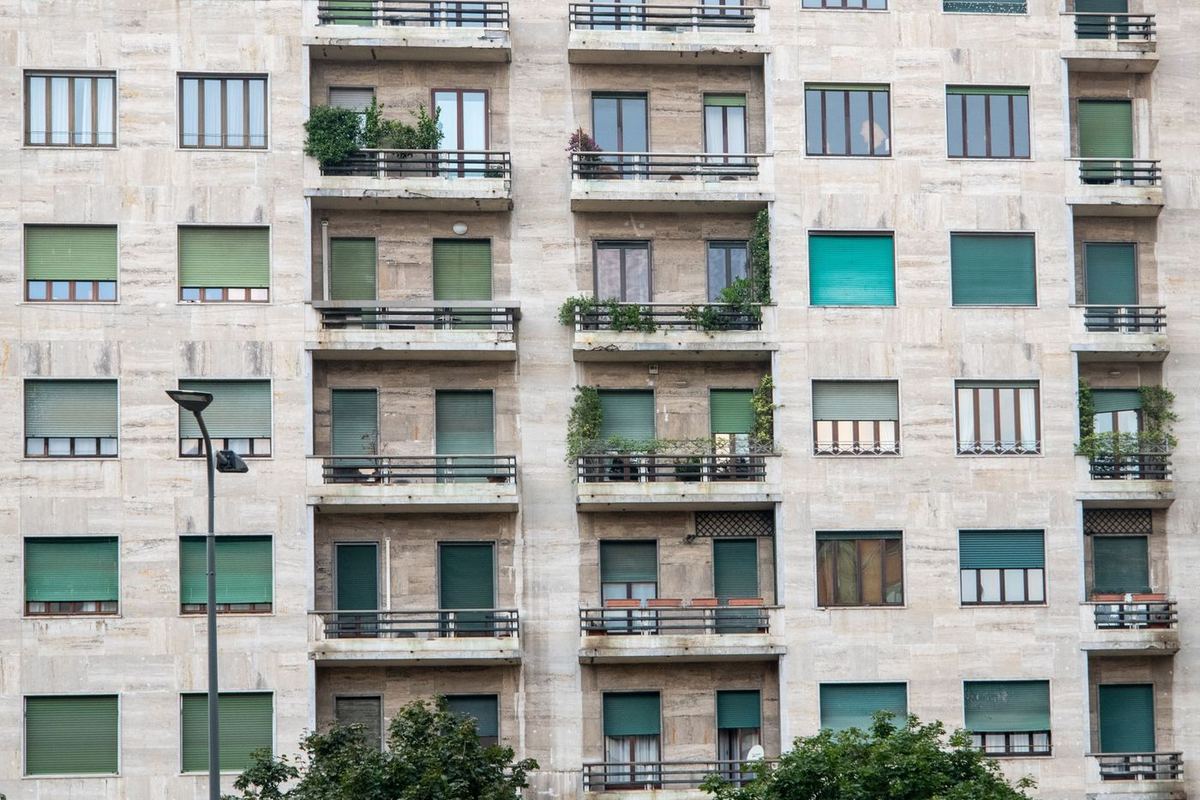
Anyone selling a flat or building constructed before 2001 must, since 23 November 2022, be able to provide an asbestos certificate. For co-ownerships there is an additional obligation: by 31 December 2026 at the latest, the common parts of every homeowners' association must have an asbestos certificate. Even if there is no sale pending.
This certificate requirement raises questions for many managing agents and co-owners. What exactly needs to be done? Who draws up the certificate? And who removes the asbestos if it is found? Here you can read how it works, and where you can turn to Credim.
The asbestos certificate is an official document drawn up by a certified asbestos expert (ADI). It indicates whether asbestos is present in the common parts, where exactly, and in what condition it is. Think of the stairwell, the cellar, the technical rooms, the lift shaft, the garage or the exterior of the building. The expert can also draw up an asbestos inventory, which is even more detailed. The certificate itself is issued by OVAM.
Important: an accredited asbestos removal company such as Credim does not draw up certificates. We only come into the picture after the certificate has been drawn up and asbestos needs to be removed.
Once the certificate is available, you review its contents together with your managing agent. If no asbestos has been found, it is a matter of keeping the certificate safe. If asbestos is present, whether immediate action is required depends on its condition. Damaged or friable asbestos must be removed quickly. Bonded material that is still in good condition may sometimes remain, but it must then be monitored. The aim is for all buildings from before 2001 to be asbestos-safe by 2040.
For the common parts, responsibility lies with the homeowners' association. This means that the co-owners decide together on any remediation. That decision is not always easy, as it involves a shared budget. Nevertheless, postponement is often not a good idea, especially if the asbestos is in poor condition or if renovation works are planned.
When asbestos in the common parts needs to be removed, it is best to call on a professional asbestos removal company. Credim is accredited and works throughout Flanders. We use the three statutory techniques, depending on the material and the risks:
Such an approach means that we properly seal off the site, take the necessary safety measures and dispose of the asbestos correctly.
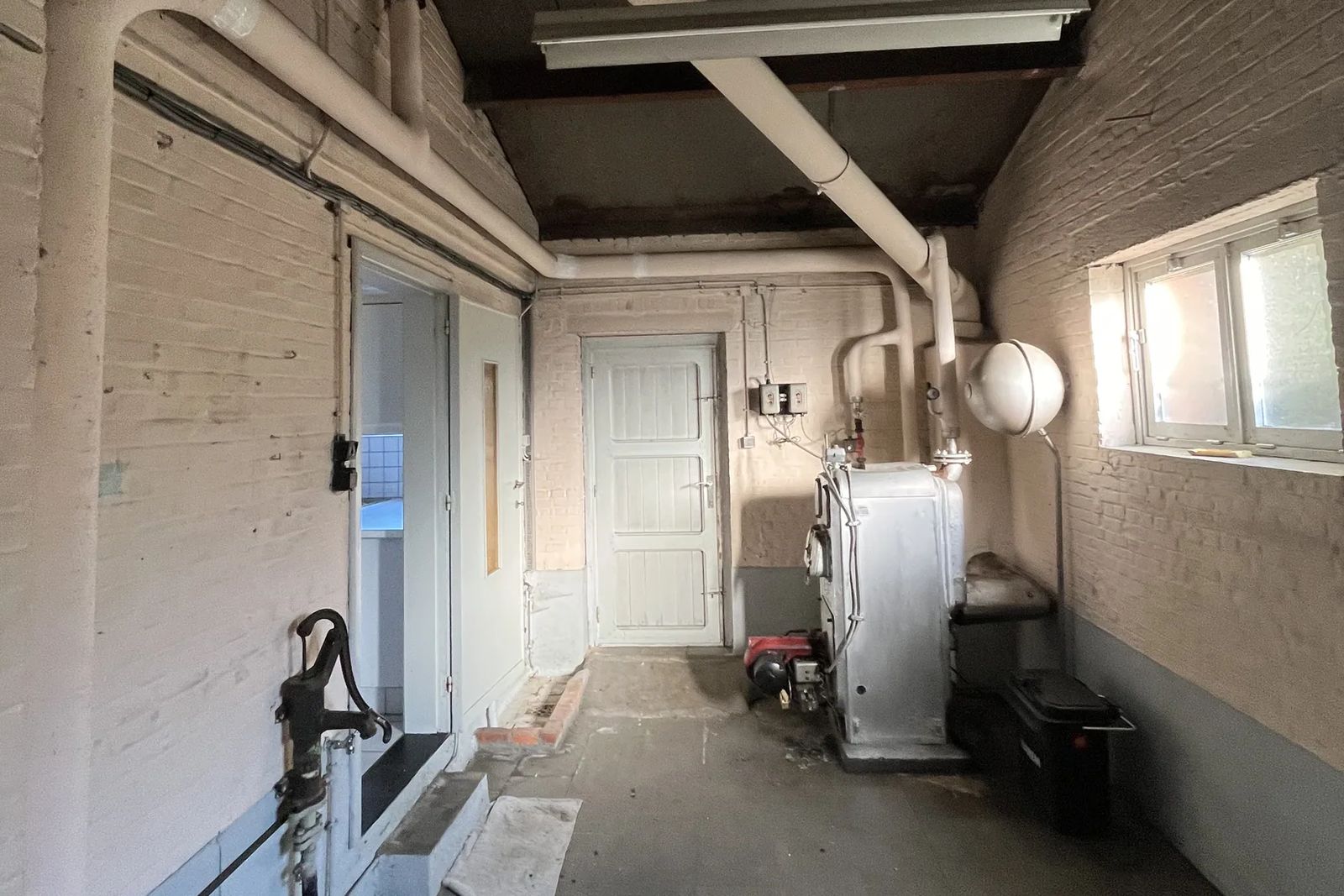
Not everything has to be done by an accredited company. In some cases, a private individual may remove bonded asbestos themselves, for example a piece of corrugated sheet from a canopy. But for the common parts of an apartment building, this is often not applicable. The homeowners' association is not a private individual, and the places where asbestos is located are often difficult to reach or in poor condition. Also, non-bonded asbestos, such as pipe insulation, must always be removed by an accredited removal company. You often see this insulation in cellars around central heating pipes: a crumbly, white or grey layer, sometimes wrapped in jute cloth. Do not break it; it can release fibres.
Do you have an asbestos certificate for your building and has asbestos been found? Then contact Credim. We will look together at what needs to be done and give you a clear quote. This way you know where you stand.
A certified expert visits, assesses the situation, and gives you a clear, no-obligation proposal.