Not all asbestos is the same. We will calmly explain what you can tackle yourself and where it is better to call in a certified company.
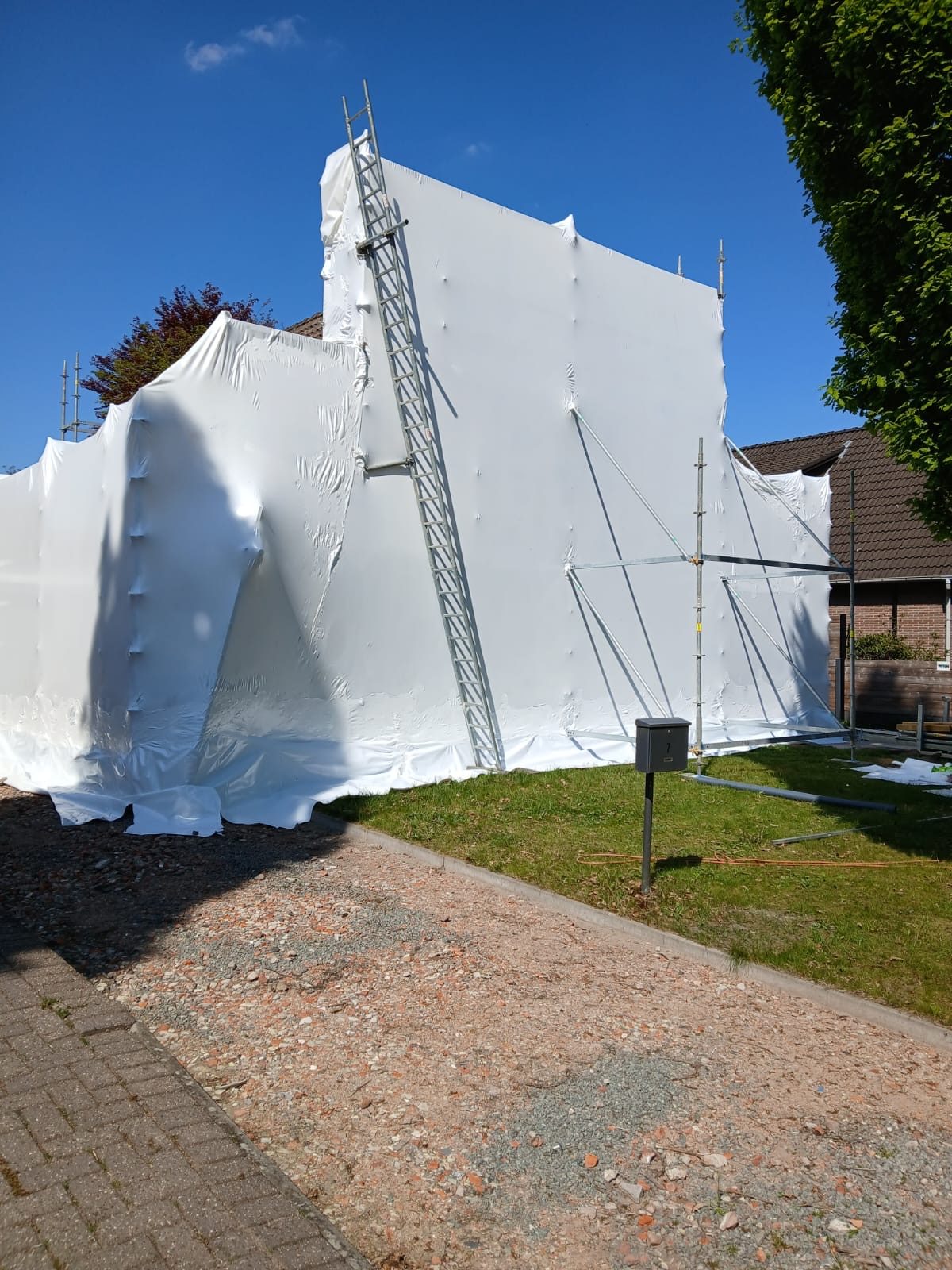
If you live in a house built before 2001, you will have to deal with asbestos sooner or later. Sometimes during a renovation, sometimes during a sale. The good news: you don't have to have everything done by a licensed company. For some applications, you can do it yourself. But the line is not always clear. That's why we've summarised it for you.
The legislation allows private individuals to remove a limited amount of asbestos themselves. This concerns bonded asbestos that is undamaged and screwed in place, not glued or nailed. Think of a corrugated roof on a shed or a fence. The surface area may not exceed 35 m². In addition, you must submit a demolition notification in advance via the Omgevingsloket. Sounds like a simple job? For those who approach it correctly, it can be.
However, there are many situations where it is better not to start yourself. Asbestos is only dangerous when fibres are released. And those fibres are released when you damage, saw, drill or sand the material. A damaged sheet or one that you accidentally drop is no longer safe. In that case, a licensed removal company must do the work. You can read more about the rules and conditions on our page can I remove asbestos myself?.
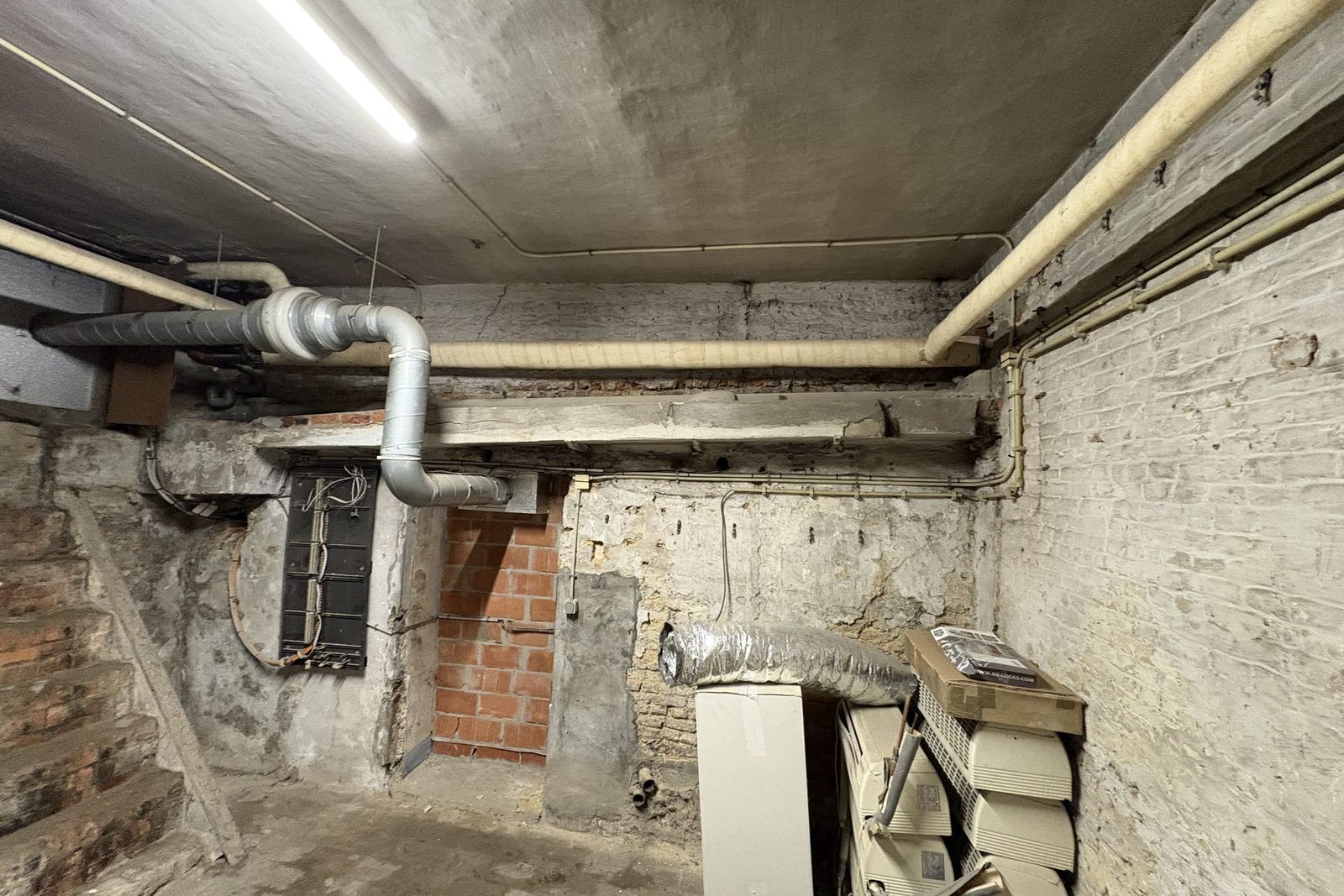
There are two applications that we often encounter in practice and that you should leave alone. The first is asbestos pipe insulation. You can recognise it by a crumbly, white or grey layer around old heating pipes, often in the basement of houses from the 1950s to the 1980s. This layer is usually still wrapped in white jute cloth. As long as you don't touch it, the risk is limited. But in the event of a leak or renovation, dangerous dust is released. This material is friable and therefore falls under the strictest rules. Only a licensed company may remove it. On our page about removing asbestos pipe insulation we explain how we do this safely.
Old vinyl floors are also an often underestimated risk. Vinyl sheets and tiles from the period 1955-1985 often have an asbestos-containing backing. Underneath that is a black, bituminous adhesive, also called cutback. That adhesive is brittle and can release fibres when pulled up. A licensed removal company must remove the floor and adhesive. You can find more about this on the page about removing asbestos vinyl flooring.
We understand the temptation to do it yourself. It saves time and money. But asbestos fibres are invisible and remain in the lungs for years. A wrong move can cause serious health problems. In addition, you risk a fine if you dispose of or process asbestos incorrectly. The government wants to make Flanders asbestos-safe by 2040. That is why strict rules apply, and those rules are there for a reason.
If you are unsure whether a material contains asbestos, have a sample taken first. An asbestos certificate from a certified expert provides clarity. The certificate is actually mandatory when selling a home built before 2001. There is also a deadline for co-owned properties. The certificate indicates where asbestos is present, but it does not remove it. For that, you need to hire a licensed removal company.
At Credim, we specialise in the safe removal of asbestos. We use the three legal techniques: simple handling, glove bag and hermetic zone. Feel free to take a look at our page about asbestos removal to see how we work.
Are you unsure whether you can tackle a piece of asbestos yourself? Then schedule a free site visit. We will come by, assess the situation and honestly tell you whether you can do it yourself or whether it is better to let us come. That way you know where you stand.
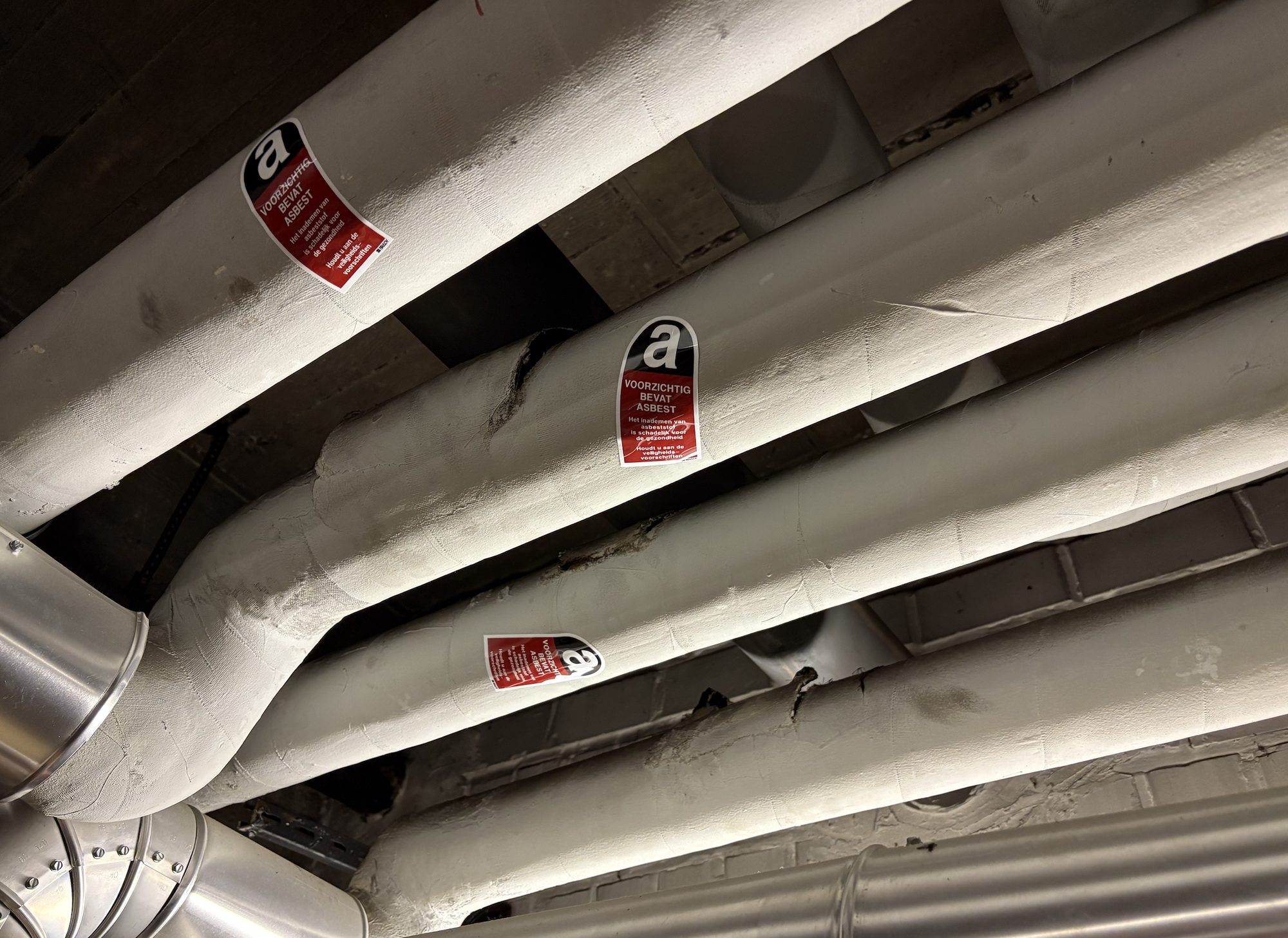
White plaster insulation around your central heating pipes, safely removed in a hermetic zone.
Bekijk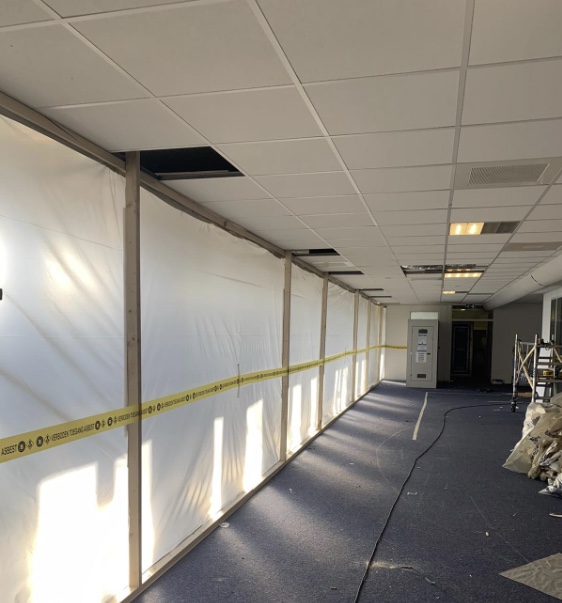
Old vinyl sheeting, vinyl tiles and the brittle black bitumen adhesive underneath, neatly remediated.
Bekijk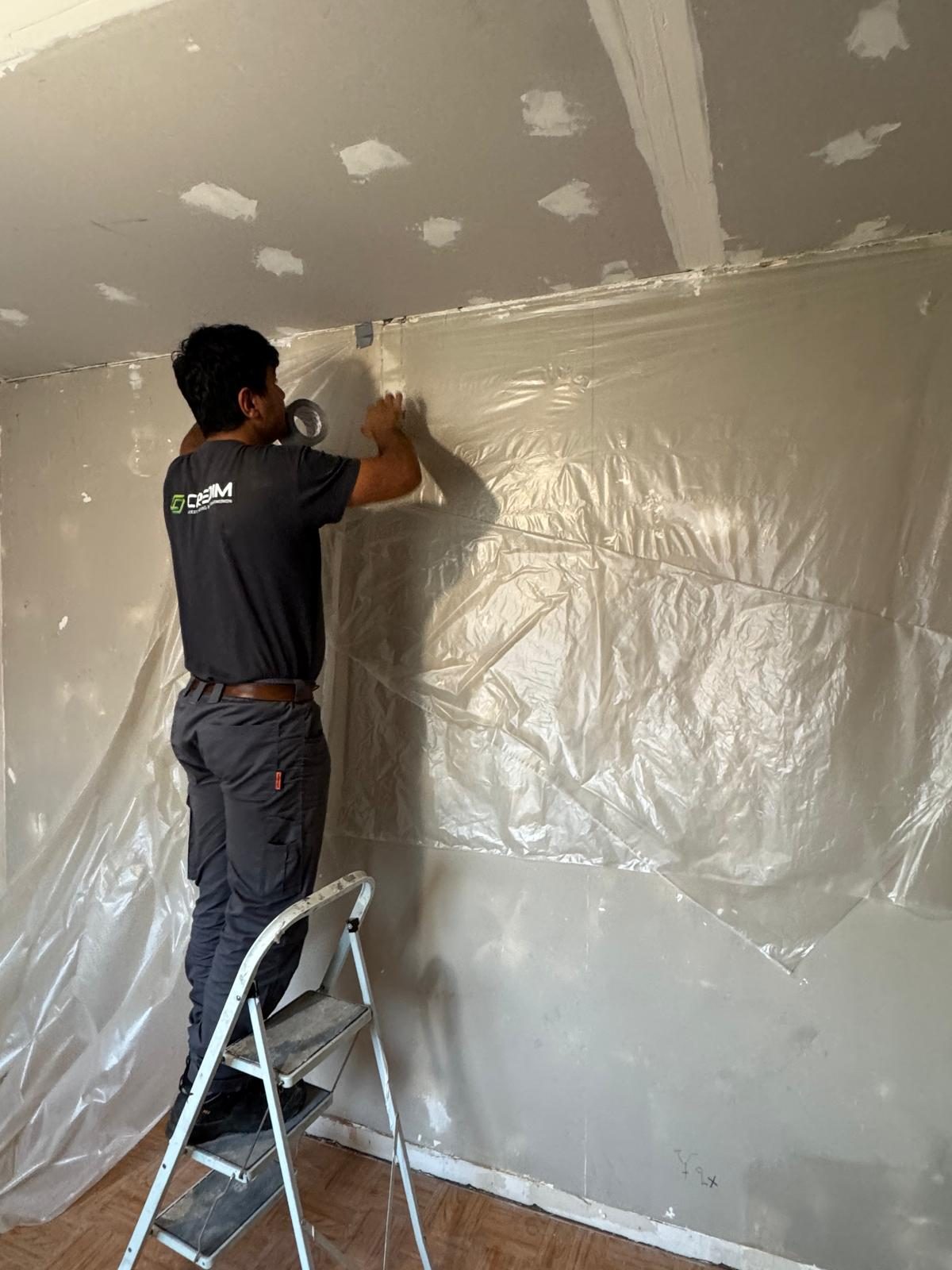
Asbestos-containing plaster on walls and ceilings, removed in a hermetic zone.
Bekijk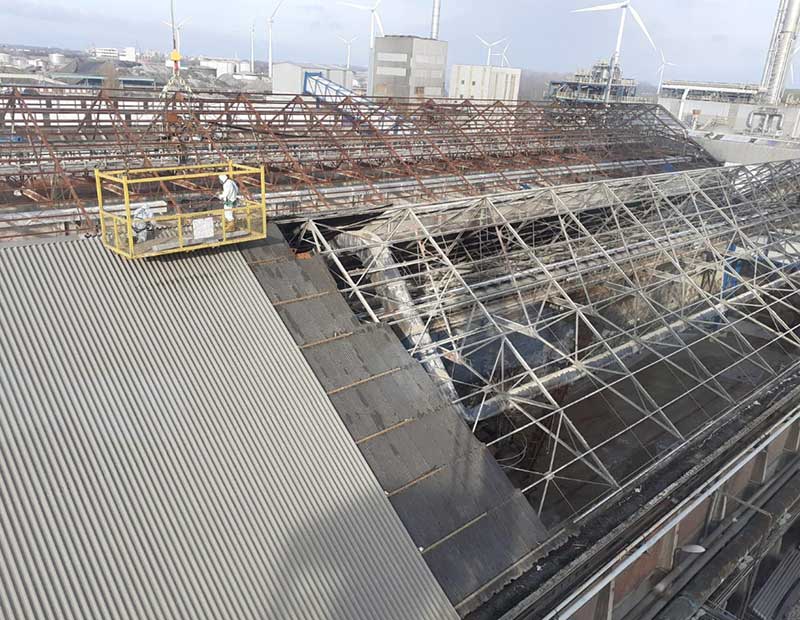
Eternit corrugated sheets, slates and under-roofing from your roof or outbuilding removed by a certified team.
BekijkWhich technique is needed depends on the material and its condition. Credim masters all three.
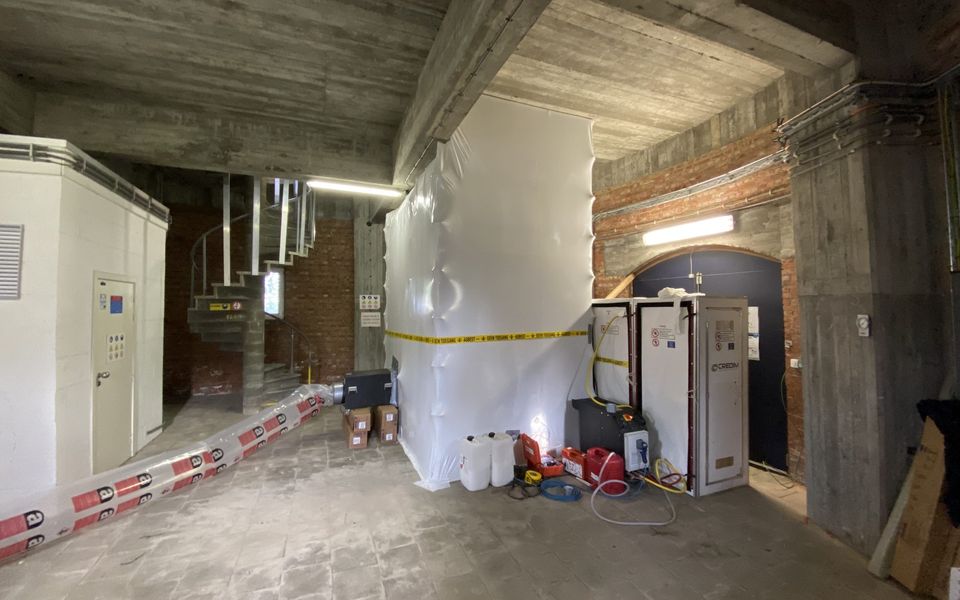
For damaged or non-bonded asbestos. The space is sealed airtight and put under negative pressure.
More about this technique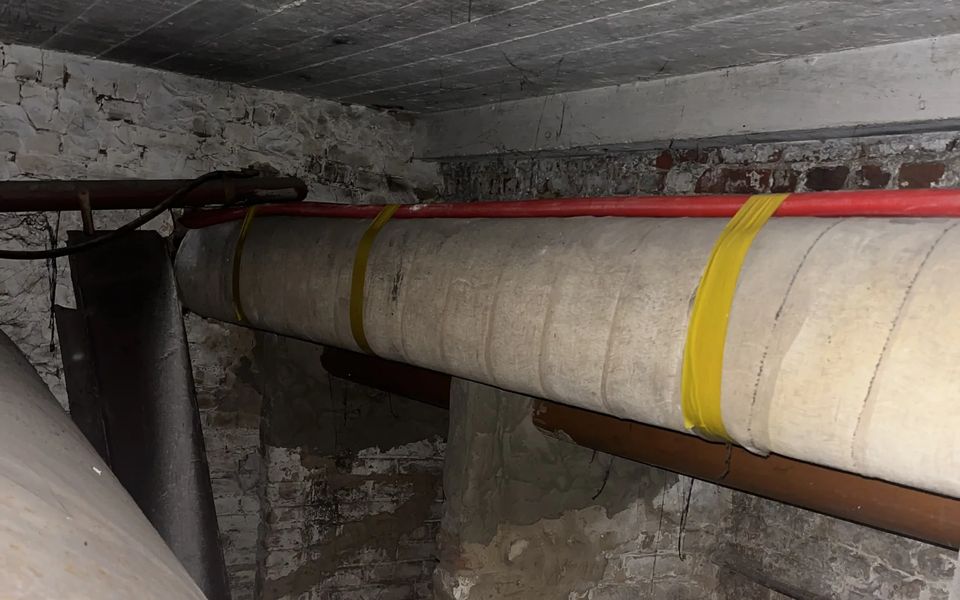
The glovebag method for pipe insulation in the open air, mainly on industrial sites. The material is removed in a sealed bag around the pipe using built-in gloves.
More about this technique
For bonded material with a low risk of fibre release, such as asbestos cement. According to a strict work plan and with the right protection.
More about this techniqueAn expert comes by, assesses the situation and advises the right technique.
You receive a clear, non-binding quote.
We seal off the area and remove the asbestos according to legal regulations.
The asbestos is transported and processed airtight.
A certified expert comes by, assesses the situation and gives you a clear, non-binding proposal.